

Geography, distance, and the realities of living and working outside major metropolitan centres shape healthcare across Northern KwaZulu-Natal.
While large cities benefit from dense hospital networks and short travel times between facilities, regional communities operate in an environment where access, response time and on-site capability carry far greater weight.
From farms and industrial sites to small towns and rural roads, people across this region often find themselves far from specialised care when emergencies occur.
In these moments, the ability of a local healthcare facility to diagnose, stabilise and treat patients before transfer becomes not just important, but essential.
In areas such as Newcastle, Utrecht, Dundee, Ladysmith and surrounding districts, long travel distances are part of daily life. For patients experiencing medical emergencies — whether due to accidents, cardiac events, respiratory distress or trauma — the time it takes to reach appropriate care can have a direct impact on outcomes.
This reality places significant emphasis on the capabilities of regional hospitals and medical centres that serve as the first point of professional intervention.
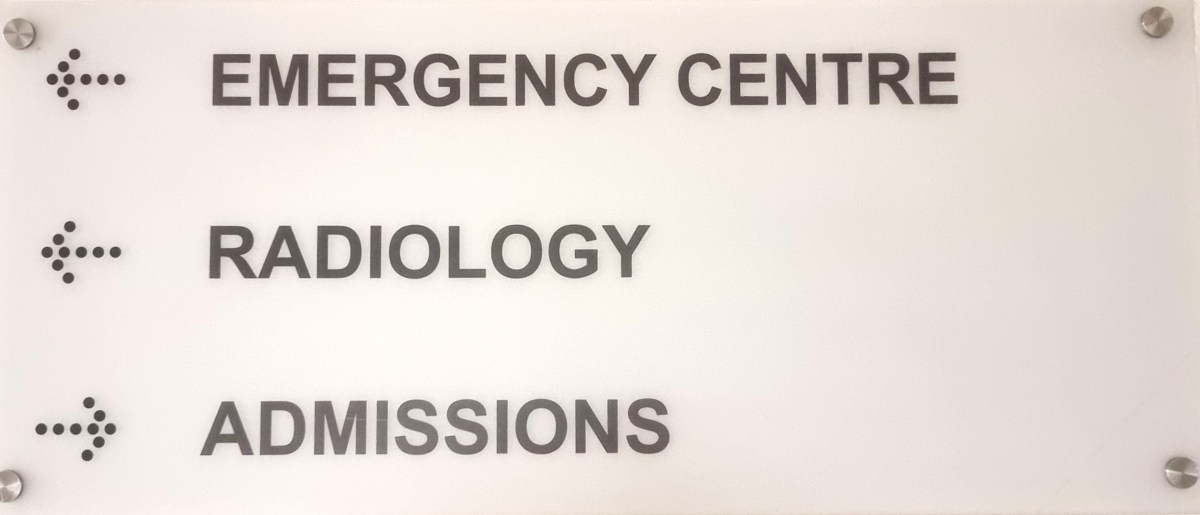
Unlike metropolitan settings, where patients may be minutes away from multiple specialist hospitals, private regional healthcare facilities must often manage a broad spectrum of medical conditions before onward referral becomes possible.
In this environment, diagnostic equipment, theatre access, ICU capacity, and specialist availability are not conveniences; they form critical components of the region’s healthcare infrastructure and determine how effectively patients can be stabilised, treated, and supported when time is limited.
Northern KwaZulu-Natal’s economy further highlights this need.
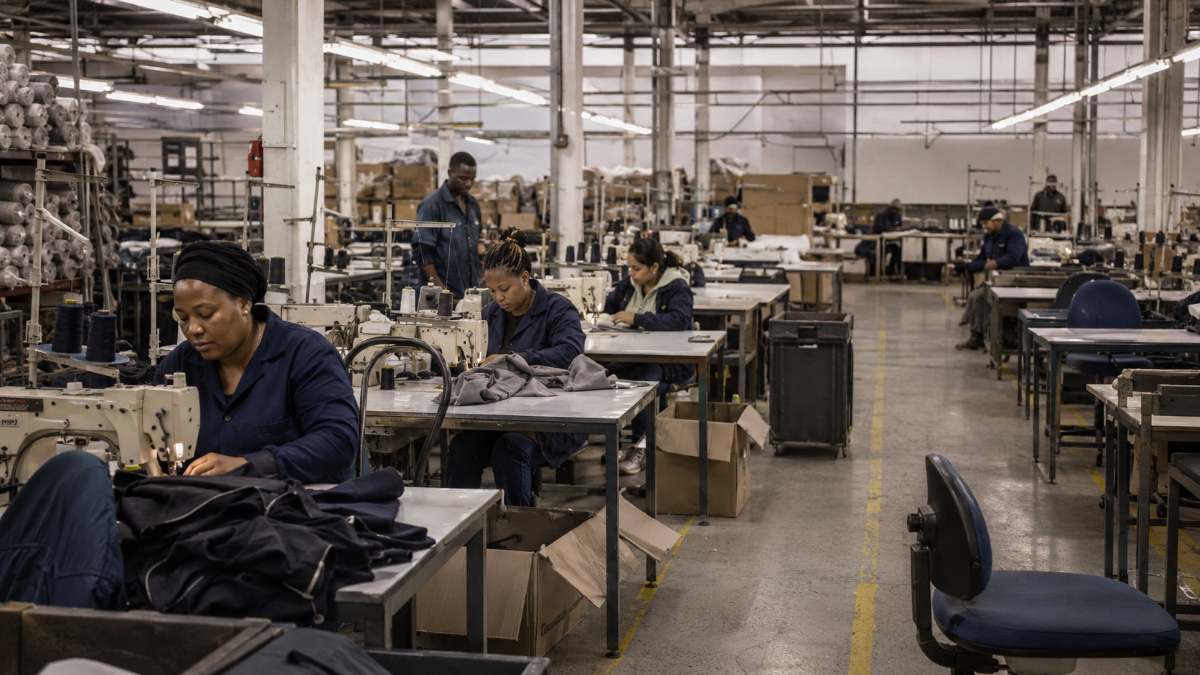
Mining, farming, manufacturing, transport, and construction form the backbone of regional activity across Northern KwaZulu-Natal. Each of these sectors carries an increased likelihood of workplace injuries, equipment-related incidents, and trauma situations that require immediate professional medical care.
The region’s economy does not operate from office parks and city centres. It operates from farms, factory floors, construction sites, mine shafts, transport depots, workshops, small offices, and residential properties spread across vast distances and often far from specialist facilities.
For the people working in these environments, access to capable medical care within reasonable proximity is not simply a matter of health, but of livelihood, personal security, and peace of mind.
Knowing that professional medical treatment is available nearby provides reassurance that allows industries across Northern KZN to function with greater confidence, resilience, and continuity, particularly in environments where risk is part of daily operations.
At the same time, heavy vehicles, agricultural machinery, and long-distance transporters frequently travel the N11, R34, and surrounding rural routes. These are working roads used day and night, increasing the likelihood of serious road accidents that demand immediate medical attention rather than delayed referral.
A vehicle collision on the N11 at night.
A farmer injured by machinery outside Utrecht.
A cardiac event in Vryheid.
In each case, the first private hospital reached is not in Durban or Pietermaritzburg — it is in Newcastle.
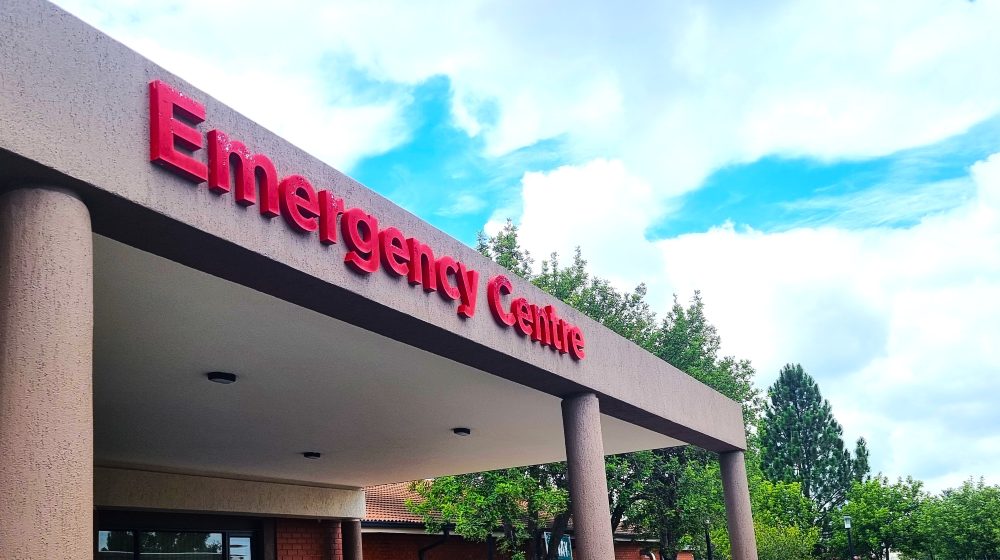
In these scenarios, local healthcare facilities are invaluable. They require a level of preparedness and capability that extends beyond routine medical care and into comprehensive emergency readiness.
Chronic healthcare needs also shape the regional picture. An ageing population across many towns in Northern KZN requires ongoing management of conditions such as hypertension, diabetes, respiratory illness, and cardiac disease.
In this environment, regular access to diagnostics, specialist consultation, and surgical intervention close to home becomes essential. It reduces the need for frequent long-distance travel, which can be physically demanding, time-consuming, and financially burdensome for both patients and their families.
Access to private healthcare in regional settings is therefore less about convenience and far more about continuity of care. The ability to receive reliable, professional medical support within reasonable proximity to home contributes not only to individual wellbeing, but to the overall stability and functioning of communities.
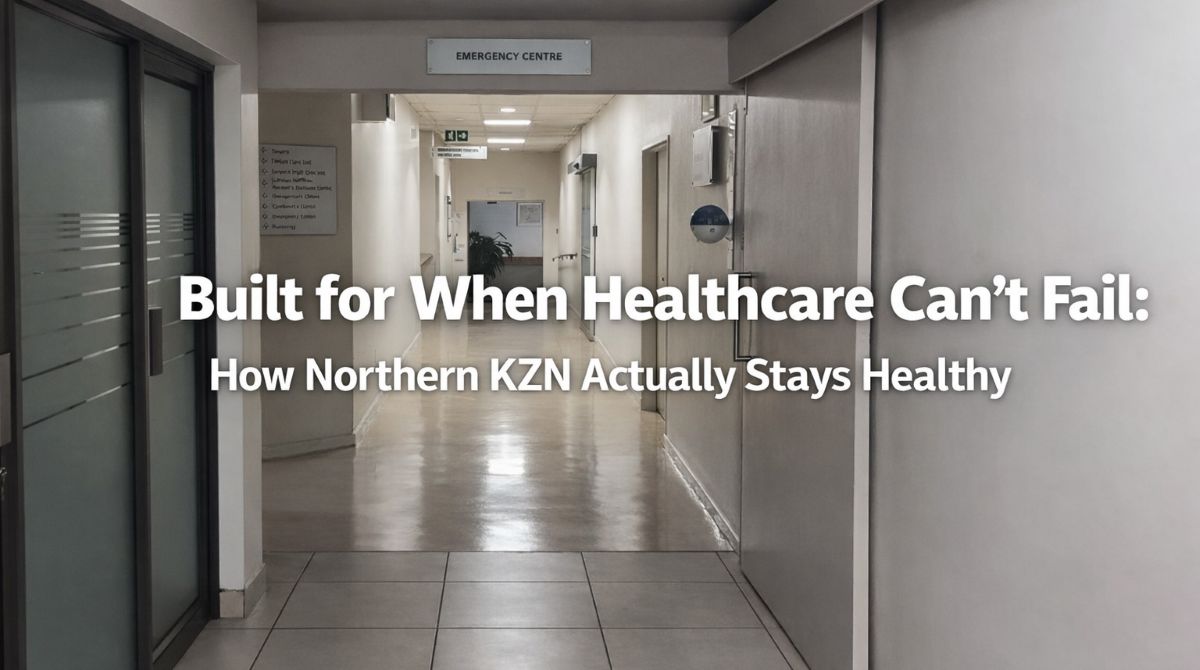
Facilities such as Mediclinic Newcastle form an integral part of this regional healthcare backbone, providing access to theatre facilities, diagnostic services, and specialist care within Northern KwaZulu-Natal itself.
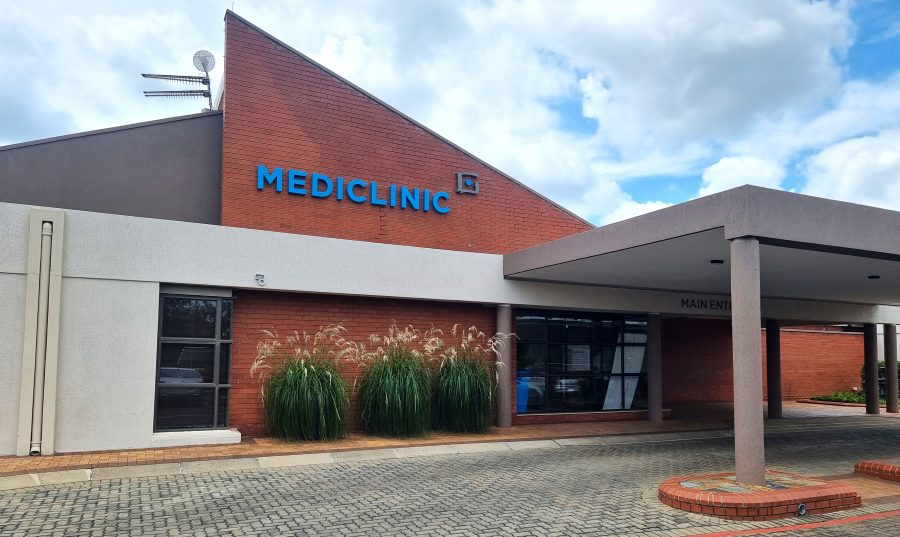
This ensures that patients and families can receive critical treatment, investigation, and ongoing medical support close to home, without the added burden of travelling long distances for essential care.
In doing so, these facilities help bridge the gap between regional patients and the level of care typically associated with larger urban centres.
This role becomes particularly significant when public healthcare systems face capacity challenges. Private healthcare facilities often absorb a portion of the regional demand, allowing patients to access timely care while easing pressure on already stretched public resources.
Another important consideration in regional healthcare is the availability of responsive support and coordinated care. In areas where specialist centres are hours away, efficient triage, rapid diagnostics, and clear referral pathways play a vital role in ensuring patients receive appropriate treatment without unnecessary delay.
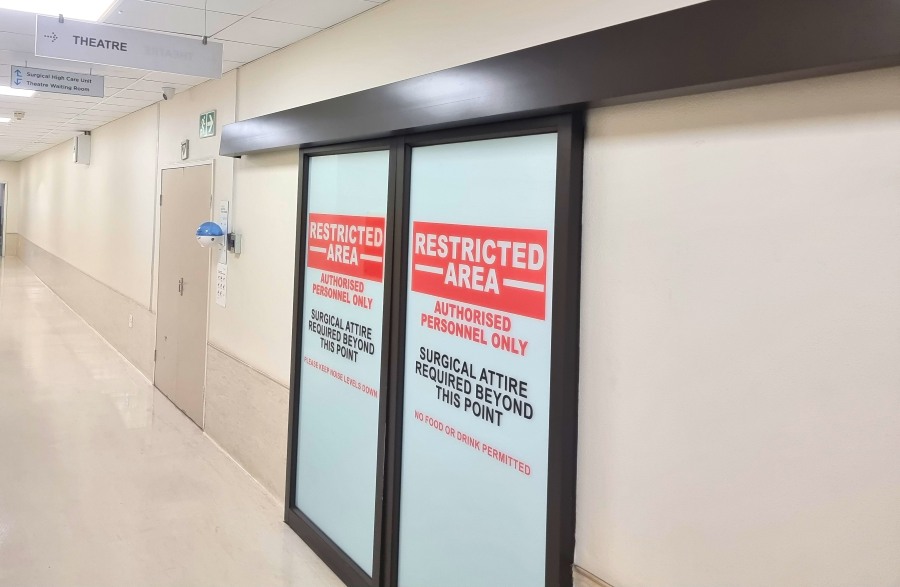
In this context, private healthcare facilities operate not only as places of treatment, but as critical infrastructure that supports the region’s safety, productivity, and resilience.
As Northern KwaZulu-Natal continues to grow both economically and demographically, the importance of well-equipped, accessible healthcare facilities becomes increasingly evident. Practical realities such as distance, terrain, and the diverse activities that define life in the region shape healthcare here, not convenience.
Staying healthy in Northern KZN therefore depends on facilities designed to function effectively within these conditions; facilities that provide stability during emergencies and continuity for ongoing care, such as Mediclinic Newcastle.
Healthcare in this region cannot afford to fail. It must reflect daily realities and ensure professional medical care is available when and where it is needed most.
This article is powered by Mediclinic Newcastle as part of the “Built for How Northern KZN Actually Works” series.
Be sure to read, Why Practical Bakkies Continue to Dominate Northern KwaZulu-Natal Work Environments, another great article focused on this region, and apart of the series.
FAQs for Healthcare in Northern KZN
Distance, terrain, and widely spread towns and rural areas shape healthcare in Northern KwaZulu-Natal. Unlike cities, where multiple hospitals sit minutes apart, people in this region often rely on a single well-equipped facility to diagnose, stabilise, and treat patients before any transfer to larger centres becomes possible.
In emergencies such as accidents, cardiac events, or trauma, the time taken to reach appropriate care can directly affect patient outcomes. Regional hospitals must be able to provide immediate diagnostics, theatre access, and specialist intervention because referral hospitals may be hours away.
Mediclinic Newcastle serves as a key regional facility providing theatre access, diagnostic services, and specialist care for patients across Newcastle, Utrecht, Dundee, Ladysmith, and surrounding districts, allowing many families to receive critical care closer to home.
The hospital’s theatre facilities enable doctors to perform many surgical procedures locally, which reduces the need for patients to travel long distances for operations.
An ageing population across many towns requires regular management of conditions such as hypertension, diabetes, respiratory illness, and heart disease. Having specialist care and diagnostics close to home reduces the physical and financial strain of frequent long-distance travel.
Private healthcare facilities often help relieve pressure on public hospitals while ensuring patients still receive timely care. In regional settings, this contributes to the overall resilience and stability of the healthcare system.
Long travel distances can delay treatment in emergencies and make routine care more difficult for patients. Having well-equipped hospitals within the region helps bridge this gap and ensures continuity of care.
Because of the region’s geography and economic activity, there is often no immediate backup facility nearby. Hospitals must be capable, prepared, and reliable at all times, as they are the first and sometimes only point of professional medical care available.