


British American Tobacco South Africa (BATSA) has confirmed the closure of its sole manufacturing facility in Heidelberg, Gauteng, marking the end of local cigarette production in the country by the end of 2026.
The announcement, made on Thursday, 15 January 2026, underscores the profound damage inflicted by the illicit cigarette trade, which now dominates an estimated 75% of the South African market.

Despite the gravity of the decision, BATSA has stressed that it is not withdrawing from South Africa. The company will transition to an import-based supply model to ensure continued supply of its brands—such as Peter Stuyvesant, Dunhill, and Pall Mall—to adult consumers. BAT will retain its secondary listing on the Johannesburg Stock Exchange (JSE) and maintain commercial operations in the country.
Johnny Moloto, Head of Corporate & Regulatory Affairs at BAT Sub-Saharan Africa, stated: “With approximately 75% of the South African cigarette market now estimated to be illicit, continued local manufacturing has become unviable.”
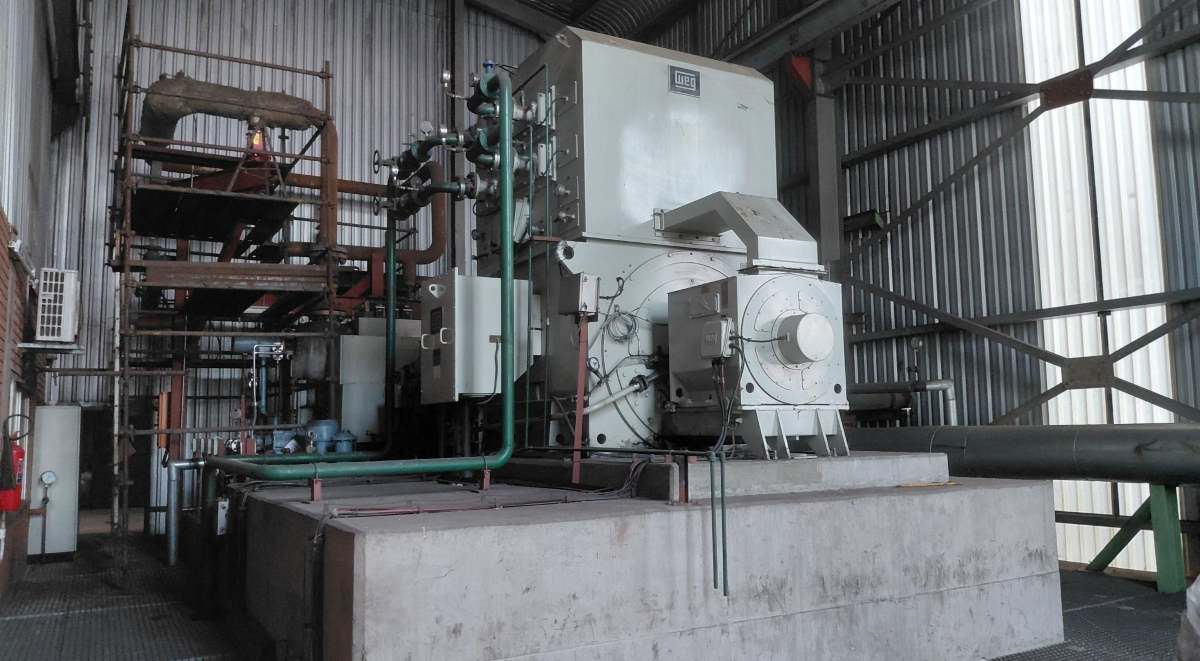
The Heidelberg plant, operational since 1975 and a longstanding fixture in the Lesedi community, is running at only 35% capacity.
This sharp underutilisation follows years of volume erosion, which BATSA attributes unequivocally to the unchecked expansion of illicit tobacco products. The company has recorded an approximately 40% decline in sales volumes since 2020, a drop that accelerated after the 2020 Tobacco Sales Ban during the COVID-19 pandemic.
An Ipsos study commissioned by BATSA further illustrates the scale of the problem, finding that availability of illicit cigarettes has become endemic, with nearly 80% of South African retailers selling such products—roughly triple the figure reported three years earlier. The study also noted that around 69% of outlets sell cigarettes below R20 per pack, and nearly 80% sell below the minimum collectible tax of R26.22.
Moloto described the moment as deeply painful:
“This is an incredibly difficult day for BATSA and for the approximately 230 employees and families who may be affected. These are skilled, dedicated people who have given years of service, who, unfortunately, are affected by an illicit market that operates outside of the regulatory net.”
For more than a decade, BATSA has pressed government departments and law enforcement agencies to confront the illicit trade more decisively. Yet the company argues that certain policy choices have aggravated the crisis. These include the 2020 Tobacco Sales Ban—deemed unconstitutional by BATSA—from which the legitimate sector has yet to recover, alongside excise duty hikes that outpace inflation and have driven a widening price gap between legal and illicit cigarettes.
The situation risks worsening further with proposed tobacco control legislation now before Parliament. In evidence presented to the Portfolio Committee on Health last year, the South African Revenue Service (SARS) warned that the measures, if enacted, would likely intensify the illicit trade problem.
Moloto reiterated the company’s longstanding position: “BATSA has raised these concerns for years, providing data and proposing solutions. While some in government have genuinely tried to help, the overall response hasn’t been enough to protect legitimate businesses and the jobs they create. With the illicit industry’s current size and scale, only a coordinated, whole-of-government response can make a real impact.”
BATSA has pursued multiple internal measures to preserve the facility—including efficiency programmes over the years.
Nevertheless, Moloto concluded: “But when three-quarters of your market is illicit, there’s a limit to what any company can do. We’ve reached that limit.”
The impact reaches far beyond the factory gates. Suppliers, logistics operators, contractors, and the wider Lesedi community depend on the plant’s activity. The Heidelberg facility, which ranks as BAT’s eighth-largest cigarette manufacturing site globally and has historically supported both domestic supply and exports to parts of Southern Africa, contributes significantly to the local economy. Moloto indicated that BAT would contemplate reinvestment in local manufacturing should a substantial and sustained improvement occur in the illicit trade trajectory.
The illicit trade also exacts a heavy fiscal toll, costing the South African fiscus an estimated R100 million per day—or roughly R28 billion annually—in lost excise duties and taxes.
Placing the closure in a larger context, Moloto warned of the creeping threat across other sectors. “Illicit trade doesn’t just hurt companies – it destroys jobs and communities. And all indicators are that illicit is becoming a significant issue in multiple industries, including alcohol, pharmaceuticals and cosmetics, food, clothing and even toys. If this can happen to a facility that’s been operating for 50 years, it can happen to anyone. We hope this is a reminder that enforcement isn’t just about collecting taxes – it’s about protecting the people who work in legitimate businesses.”
In compliance with Section 189A of the Labour Relations Act, BATSA launched formal consultations with affected employees and union representatives on 15 January 2026. The process is expected to conclude by the end of March 2026, ahead of the full facility closure scheduled for December 2026.
This announcement serves as a stark illustration of how deeply entrenched criminal networks can undermine even long-established legitimate enterprises. The loss of local manufacturing capacity at Heidelberg is not merely a corporate restructuring; it reflects a broader failure to curb a trade that erodes tax revenue, distorts competition, and threatens livelihoods across multiple sectors.
In the absence of meaningful government intervention and coordinated cross-departmental enforcement to dismantle illicit supply chains, other companies operating in South Africa may face the same outcome.

For now, the focus shifts to the human cost: the skilled workers facing uncertainty, the families in Lesedi whose economic stability has been shaken, and the suppliers left searching for alternative markets. BATSA’s decision, while painful, is presented as unavoidable under current conditions.
Whether it ultimately prompts the kind of coordinated enforcement Moloto has repeatedly called for will determine if this marks an isolated tragedy or the beginning of a wider industrial retreat from legitimate production in South Africa.