


The KwaZulu-Natal Department of Transport is continuing weekend closures at several driver’s licence testing centres and licensing offices across the province throughout January 2026, as part of ongoing efforts to address corruption within the licensing system.
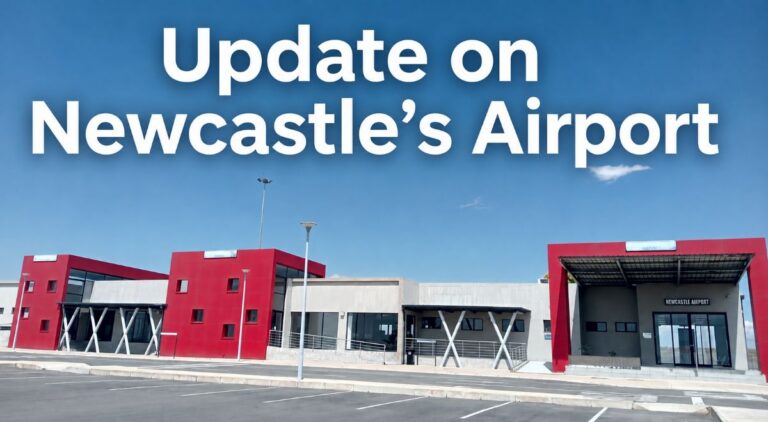
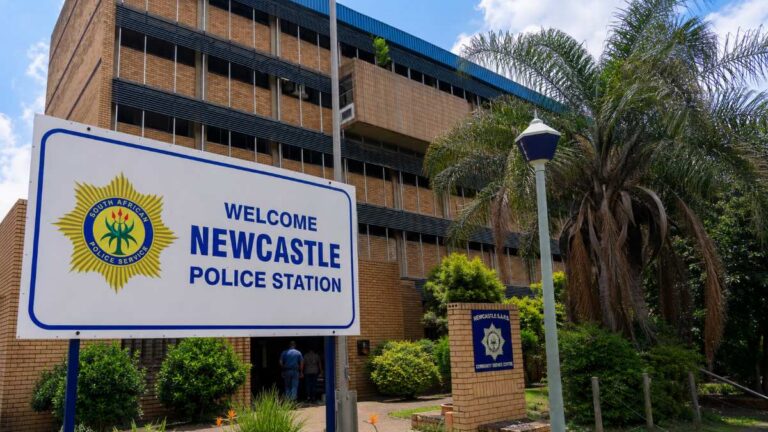
Weekend services remain suspended until further notice at the Empangeni, Mkondeni, and Newcastle Driver’s Licence Testing Centres (DLTCs).

The same applies to the Pinetown/Mariannhill and Rossburgh DLTCs, as well as motor licensing offices in Pietermaritzburg, Umbilo, Pinetown/Mariannhill, and Durban.
The closures follow allegations of organised syndicates involving officials, driving school instructors, and applicants, who are accused of manipulating booking slots for learner’s and driver’s licence tests. In response, the department has deployed a specialist team from its Traffic and Transport Inspection Unit (TTIU), working alongside the Road Traffic Management Corporation (RTMC), the National Traffic Anti-Corruption Unit, and the Hawks.
Moreover, MEC for Transport and Human Settlements, Siboniso Duma, confirmed that investigations are already yielding results.
“Investigations are already leading to arrests of syndicates involving officials, driving school instructors, and applicants,” Duma said.
While the primary focus remains on rooting out malpractice, the MEC stated that the measures are also aimed at restoring public confidence in the licensing process. To reduce the impact on motorists, the department has partnered with municipalities to ensure that selected facilities remain open on certain weekends.
Providing further detail, Duma explained that the multi-agency task team continues to make progress.
“It should be remembered that we assembled a team from TTIU that is working jointly with the Road Traffic Management Corporation’s (RTMC), the National Traffic Anti-Corruption Unit and the Hawks. This team is making progress in relation to the arrests of syndicates involving officials, driving school instructors, and applicants,” he said.
“We will continue to work with municipalities across the province to ensure that we produce well-trained drivers to be on our road networks.”
The MEC also highlighted the scale of licensing activity in the province, noting that KwaZulu-Natal currently has 1,782,839 licensed vehicles, 76,774 unlicensed vehicles, and more than 1.7 million vehicles that have migrated to the new number plate system. According to the department, these figures underscore the need for a transparent and well-regulated licensing system.
Although the department acknowledges that the closures will inconvenience many motorists, it maintains that the disruption is necessary to protect the integrity of the system. Motorists are urged to confirm operating hours in advance, plan visits carefully, and remain alert to any form of solicitation.
Several municipal facilities will remain operational on selected weekends in January 2026 to assist motorists:
• The Amanzimtoti/Winklespruit DLTC was open on 10 January and will reopen on 17, 24, and 31 January from 7am to 2pm. All driver’s licence transactions will be processed, with both cash and card payments accepted.
• The Ballito Motor Licensing Office was open on 10 January and will reopen on 24 January from 8am to 1:30pm, processing vehicle licence renewals only.
• The KwaDukuza/Stanger DLTC and Motor Licensing Office will operate on 17 January. The DLTC will not conduct driver’s licence or vehicle testing and will accept only MasterCard or Visa payments, while the motor licensing office will process all vehicle-related transactions and accept both cash and card.
• The Umhlanga Motor Licensing Office, Verulam DLTC and Motor Licensing Office, and the Winklespruit/Kingsburgh Sizakala Centre Motor Licensing Office will also operate on selected weekends, offering various driver’s licence and vehicle-related services, although certain testing functions will remain unavailable.
Looking ahead, Duma stated that the department intends to intensify its focus on responsible driving in 2026.
“As we start 2026, we offer to intensify the campaign focusing on responsible driving. Collectively, with the people of KwaZulu-Natal, we must build on the successful work executed by the Road Traffic Inspectorate in terms of ensuring a decrease in road fatalities and road crashes,” he said.

The ongoing anti-corruption drive reflects the province’s efforts to address long-standing irregularities within the licensing system while maintaining service delivery. While some short-term disruption is unavoidable, the department maintains that the intervention is aimed at longer-term reform, improved road safety, and restoring public trust. However, as per the adage, “the proof is in the pudding”.
What are your thoughts on this? Let us know below.
Do not forget to read, Nestlé NAN Infant Formula Recall Issued in South Africa Over Safety Concerns, if you missed it.
Weekend closures are linked to investigations into alleged corruption involving licence booking syndicates, officials, and driving schools.
Affected centres include Empangeni, Mkondeni, Newcastle, Pinetown/Mariannhill, Rossburgh, and several motor licensing offices across the province.
Yes. Selected municipal facilities, including Amanzimtoti/Winklespruit, Ballito, KwaDukuza/Stanger, Umhlanga, and Verulam, are operating on specific weekends.
The Department of Transport has stated that weekend closures will remain in place until further notice.