

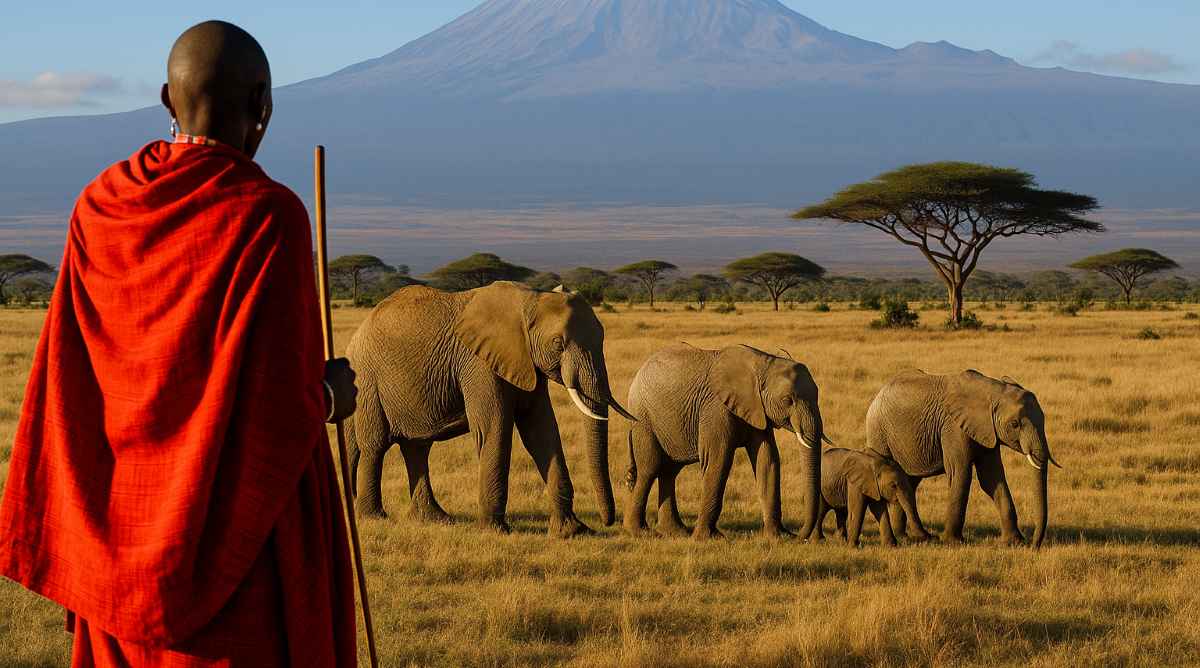
From the bustling energy of Nairobi to the white-sand calm of Diani Beach and the wild heartbeat of the Maasai Mara, Kenya remains one of Africa’s most captivating destinations — but what truly defines the travel experience is how far your money goes. And to understand Kenya in 2026, you must understand its currency, daily costs, and what you can realistically expect to pay on the ground.
This guide unpacks the money of Kenya — the Kenyan Shilling (KES) — and dives deep into real-world travel costs, including food, transport, safaris, SIM cards, tipping norms, and exactly what things cost in 2026.
Whether you’re a traveller, safari dreamer, or cost-of-living researcher, this is your complete, practical, expanded guide.
Understanding the Kenyan Shilling (KES)
What makes Kenya’s money unique?
The Kenyan Shilling, symbolised as KSh or KES, has been the official currency since 1966. In 2019, Kenya introduced a redesigned series of notes with modern imagery celebrating national heritage and updated anti-counterfeit features such as:
- Raised printing
- Watermarks
- Colour-shifting ink
- Silver security bands
- Holographic patterns
These remain the standard notes in 2026.
Banknotes in circulation
- KSh 50
- KSh 100
- KSh 200
- KSh 500
- KSh 1000
Coins
- 1, 5, 10, 20, and 40 shillings
How Kenyans actually use money
Kenya is one of the world leaders in mobile transactions. In fact:
- Over 90% of adults use M-PESA.
- Cash is still widely accepted.
- Cards are common in supermarkets, malls, and hotels.
- Safaris and lodges may prefer USD for convenience.
The blend of digital payments and cash makes Kenya extremely easy for travellers to navigate.
Exchange Rates in 2026: How Far Does Your Money Go?

Exchange rates fluctuate, but in 2026 the Kenyan Shilling is typically valued around:
- 1 USD = 129–138 KSh
- 1 GBP = 165–178 KSh
- 1 EUR = 138–152 KSh
- 1 ZAR = 7.4–8.1 KSh
Why this matters
If you’re coming from South Africa, Europe, or the U.S., Kenya offers good value, especially in:
- Local food
- Transport
- SIM cards
- Coffee
- Budget hotels
- Day-to-day essentials
Safari experiences, however, remain premium-priced.
Cost of Food in Kenya (2026)
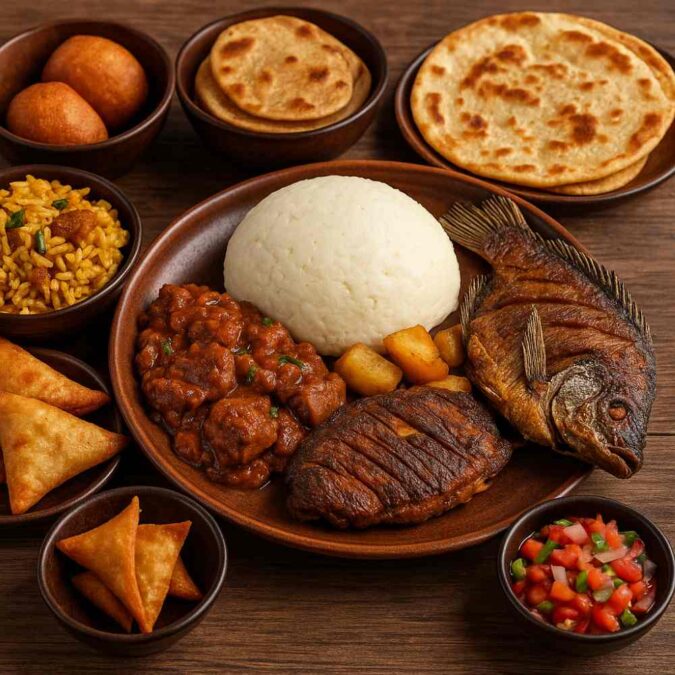
What you pay for real meals — not brochure prices
Kenya’s food scene is diverse:
- Nairobi → trendy cafés, international restaurants, steakhouses
- Mombasa → Swahili cuisine, fresh seafood
- Kisumu → lakeside dining, fish and ugali
- Nakuru & Eldoret → hearty local dishes
Here’s what you actually pay in 2026.
Street Food (fast, fresh, ultra-cheap)
- Samosa: 20–50 KSh
- Mandazi (Kenyan doughnut): 20–40 KSh
- Chapati: 30–50 KSh
- Skewers (nyama choma bites): 50–80 KSh
Local Restaurants (casual dining)
- Ugali & beef stew: 300–550 KSh
- Chicken biryani: 350–600 KSh
- Pilau: 250–450 KSh
- Fish & chapati: 400–700 KSh
Mid-Range Restaurants
- Sit-down meal: 650–1,300 KSh
- Pasta dishes: 700–1,200 KSh
- Grilled meats: 800–1,500 KSh
High-End Dining
(Especially in Nairobi, Diani, and Karen)
- Main course: 2,000–4,500 KSh
- Oceanfront seafood platter: 3,000–6,000 KSh
- Cocktail: 600–1,000 KSh
Drinks
- Coffee (café): 280–420 KSh
- Local beer: 220–320 KSh
- Soft drink: 60–80 KSh
Value for South Africans
A mid-range meal:
- Kenya: ± 900 KSh (R110)
- South Africa: ± R160–R220
Kenya’s dining scene remains very good value in 2026.
Transport Costs in Kenya (2026)

Cheaper than SA and smoother than most African countries
Kenya has one of Africa’s most exciting transport systems. In Nairobi, it’s chaotic, colourful, and surprisingly efficient. Elsewhere, it’s calm and affordable.
Matatus (minibus taxis)
Vibrant, loud, fast — and the cheapest way around.
- Short distance: 30–70 KSh
- Longer routes: 80–170 KSh
- Peak time: slightly more
Boda-Bodas (motorbike taxis)
Quickest way to beat traffic.
- Short ride: 60–180 KSh
- Longer ride: 200–380 KSh
(ALWAYS wear a helmet — insist on it.)
App-Based Rides (Uber, Bolt, Little Cab)
Massively used in Nairobi, Kisumu, Nakuru, Mombasa.
- Short trip: 160–320 KSh
- 10–15 minutes: 260–520 KSh
- Airport → Nairobi CBD: 850–1300 KSh
Intercity Buses
Comfortable and cost-effective.
- Nairobi → Mombasa: 1,300–2,200 KSh
- Nairobi → Kisumu: 1,100–1,900 KSh
Fuel Prices (2026 averages)
- Petrol: 175–200 KSh per litre
- Diesel: 160–180 KSh per litre
Transport remains cheap and accessible across Kenya.
Hotel Prices in Kenya (2026)
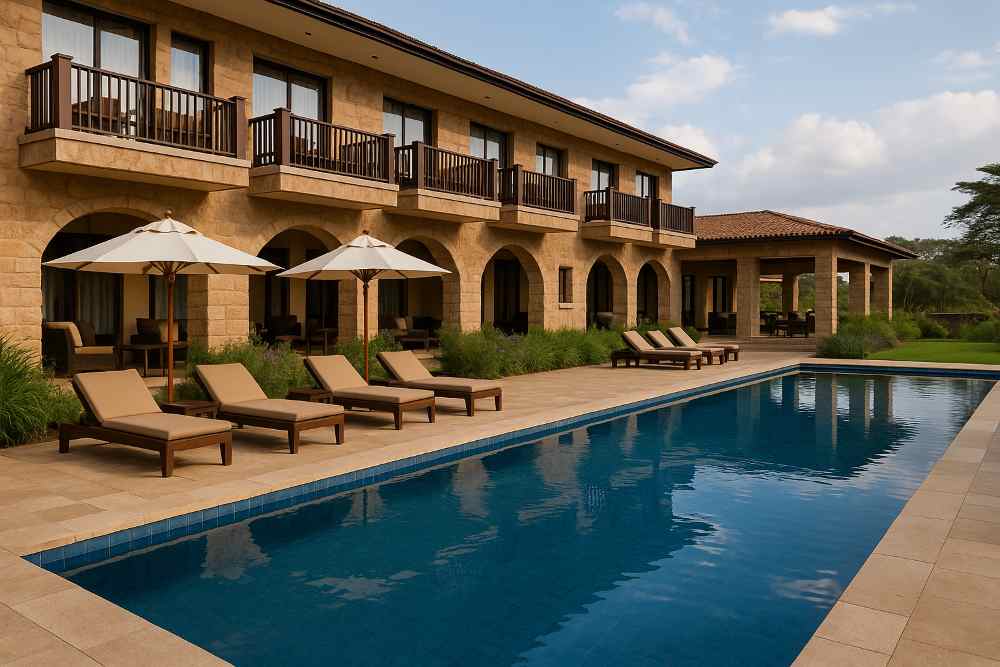
From backpacker beds to beachfront luxury
Kenya’s accommodation market is diverse. Here’s a realistic breakdown based on 2026 pricing trends.
Budget Stays
- Hostels: 900–1,700 KSh
- Basic guesthouses: 1,700–3,300 KSh
Mid-Range Hotels
- City hotels: 5,500–11,000 KSh
- Beach hotels (Diani, Mombasa): 7,500–14,000 KSh
High-End Hotels
- Nairobi luxury: 12,500–32,000 KSh
- Beach resorts: 14,000–35,000 KSh
Safari Lodges (the premium category)
- Budget camps: 11,000–22,000 KSh
- Mid-range lodges: 32,000–65,000 KSh
- Luxury private conservancy lodges: 85,000–210,000+ KSh
Safaris are the most expensive aspect of travelling Kenya.
Safari Costs in Kenya (2026)

Why safaris cost what they cost
Kenya’s safaris are world-famous — and priced accordingly.
Average Safari Costs
- Nairobi National Park day trip: 7,500–13,000 KSh
- Maasai Mara 3-day budget safari: 38,000–65,000 KSh
- Maasai Mara 3-day mid-range: 75,000–130,000 KSh
- Luxury 3-day package: 210,000–470,000+ KSh per person
Park Fees in 2026
- Maasai Mara: 4,200–6,500 KSh per day
- Amboseli: 2,200–4,200 KSh
- Tsavo East/West: 1,600–3,200 KSh
Safari tourism in Kenya is expensive but deeply rewarding, particularly during migration season.
SIM Cards, Data and M-PESA (2026)
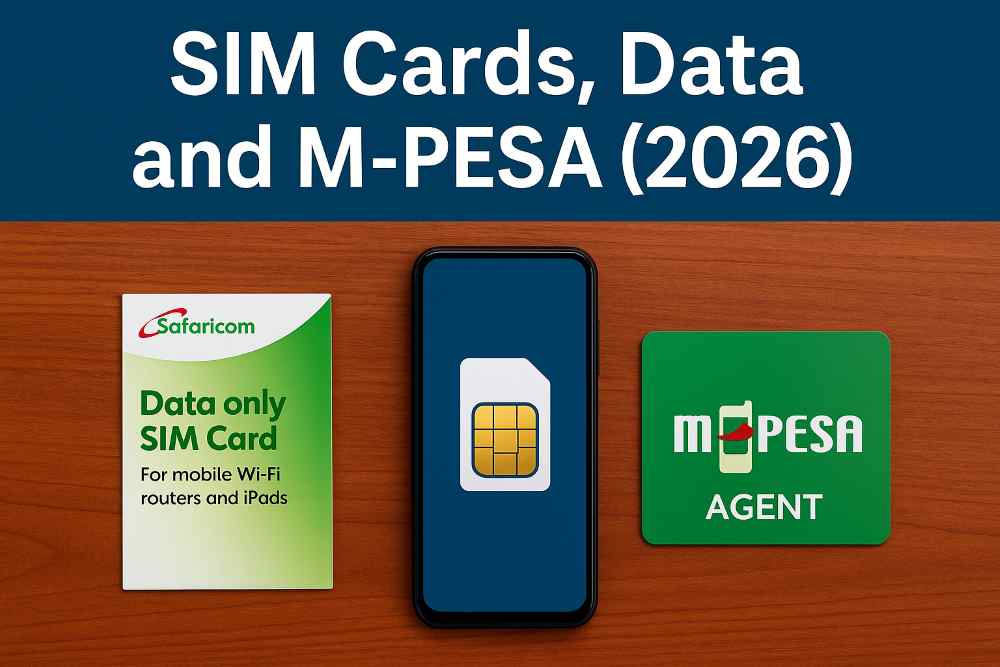
Kenya remains a global leader in mobile money
Kenya is the home of M-PESA, one of the world’s most successful mobile money platforms. It’s used everywhere — from taxis to street vendors to supermarkets.
Cost of SIM & Data in 2026
- SIM card: 50–200 KSh
- 5GB data: 220–330 KSh
- 15GB data: 520–750 KSh
- 30GB data: 1,100–1,300 KSh
Best networks
- Safaricom — best overall coverage
- Airtel — great value for money
- Telkom — cheapest, patchy coverage
Kenyan data remains significantly cheaper than South Africa.
Tipping Rules in Kenya (2026)
A practical guide so you don’t overpay or offend
Kenya is relaxed about tipping, but in tourism zones it’s appreciated.
- Restaurants: 5–10%
- Hotel porters: 120–200 KSh per bag
- Housekeeping: 220–330 KSh per day
- Safari guides: 900–1,600 KSh (per guest, per day)
- Taxi drivers: rounding up is normal
- Tour drivers: 500–1,000 KSh for a full-day trip
Safari staff rely heavily on gratuities — they are some of the hardest-working people you’ll meet.
Daily Budget Breakdown: What Travellers Actually Spend in Kenya (2026)
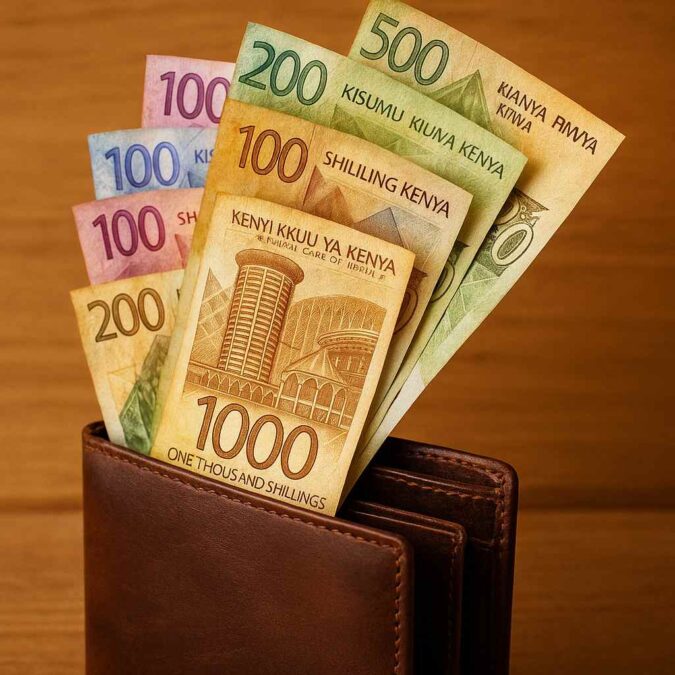
Kenya caters to every type of traveller — from the backpacker living purely on street food and shared taxis, to the mid-range visitor who wants comfort without overspending, all the way to the safari traveller investing in one of Africa’s most premium wildlife experiences.
Here’s what each daily budget realistically looks like.
Shoestring Traveller
1,600–3,300 KSh per day
(Street food + matatus + hostel)
This is the backpacker/low-budget category — ideal if you’re comfortable keeping things simple.
What this budget typically includes
✔ Accommodation
- Hostel dorm bed or the cheapest guesthouses
- Small rooms, shared bathrooms, basic amenities
- Cost range: 900–1,700 KSh per night
✔ Food
- Street meals (mandazi, chapati, samosas, pilau, roasted maize)
- Local eateries, market stalls, basic cafés
- Average food spend: 200–450 KSh per day
✔ Transport
- Matatus (Kenyan minibus taxis)
- Boda-bodas (motorbike taxis, short rides)
- Possible shared shuttles for longer distances
- Daily transport spend: 100–300 KSh
✔ Activities
Most activities will be low-cost or free:
- Exploring markets
- Visiting public beaches
- Walking city tours
- Cheap museum entries
Safari activities are not included at this price point.
Who this is for
Travellers who want to stretch their money, experience local culture, and move around cheaply — backpackers, students, and digital nomads travelling light.
Mid-Range Traveller
6,500–12,500 KSh per day
(Restaurants + Uber + 3-star hotel)
This is the most common and comfortable travel tier — great for couples, families, business travellers, and typical holidaymakers.
What this budget typically includes
✔ Accommodation
- Comfortable 3-star or mid-range hotels
- Private room, Wi-Fi, en-suite bathroom, 24/7 security
- Cost range: 5,500–11,000 KSh per night
✔ Food
- Mix of restaurant dining and local meals
- Coffee shops, fast food outlets, casual sit-down restaurants
- Average food spend: 1,000–2,000 KSh per day
✔ Transport
- Uber, Bolt or Little Cab for convenience
- Occasionally taxis for longer trips
- Daily transport spend: 300–800 KSh
✔ Activities
Includes more paid attractions:
- Museum entries
- Short guided tours
- National park day trips (e.g., Nairobi National Park)
- Local excursions (markets, cultural centres, craft villages)
Who this is for
Travellers who want comfort, safety, and convenience, without splurging on extreme luxury
Safari Traveller
22,000–65,000+ KSh per day
(Costs depend entirely on lodge choice)
This tier covers the safari experience, which is the most premium part of Kenya’s tourism economy.
Prices vary dramatically depending on whether you choose a budget tented camp or a luxury lodge in a private conservancy.
What this budget typically includes
✔ Accommodation
- Budget safari camps: 11,000–22,000 KSh
- Mid-range lodges: 32,000–65,000 KSh
- High-end luxury lodges: 85,000–210,000+ KSh
✔ Meals
- Usually full-board: breakfast, lunch, dinner
- Snacks and tea between game drives
- Alcohol may be extra at some lodges
✔ Transport
- Private safari vehicle
- Professional guide
- Fuel for long game drives
- Transfers to and from the lodge
✔ Park Fees (2026)
- Maasai Mara: 4,200–6,500 KSh per person/day
- Amboseli: 2,200–4,200 KSh
- Tsavo East/West: 1,600–3,200 KSh
✔ Activities
Typically two game drives daily, with optional:
- Guided bush walks
- Night drives
- Sundowners
- Cultural village visits
Who this is for
Travellers seeking the classic African safari, photographers, honeymooners, high-end travellers, and those ticking a bucket-list wildlife experience.
Quick Summary at a Glance
| Traveller Type | Daily Budget (KES) | Lifestyle |
|---|---|---|
| Shoestring | 1,600–3,300 | Street food, hostels, matatus |
| Mid-Range | 6,500–12,500 | Restaurants, Uber, 3-star hotels |
| Safari Traveller | 22,000–65,000+ | Safari lodges, 4×4 tours, park fees |
Is Kenya Cheaper Than South Africa in 2026?
The comparison travellers really want
Cheaper than SA:
- Local food
- Taxis
- Public transport
- Groceries
- Mobile data
- Coffee shops
- Street food
- Casual dining
More expensive than SA:
- Safari lodges
- High-end hotels
- Premium dining
- Imported spirits
- Private conservancy fees
Kenya is affordable for day-to-day travel but has premium-priced tourism that can cost “a pretty penny”.
The money of Kenya, the Kenyan Shilling, stretches surprisingly far in 2026, especially for South Africans, Europeans, and American travellers. Everyday expenses are affordable, data is cheap, transport is accessible, and food offers exceptional value. The only truly premium element is safari tourism, which remains among the world’s most sought-after wildlife experiences.
Whether you’re planning a holiday, researching African currencies, or simply curious about cost-of-living differences, Kenya in 2026 offers a compelling balance between affordability, cultural richness, and world-class travel experiences.
What are your thoughts on this? Be sure to let us know below.
Do not forget to read, Top Places in Newcastle KZN: A Journey Through Heritage, Nature and Hidden Charm, if you missed it.