

As KwaZulu-Natal heads into summer, the province is once again preparing for the dangers that come with it — floods and wildfires that have, in recent years, taken hundreds of lives and cost billions in damages. The 2022 floods alone killed 443 people and caused R17 billion in destruction, while the February 2025 floods left 22 dead and racked up losses of R3.1 billion.
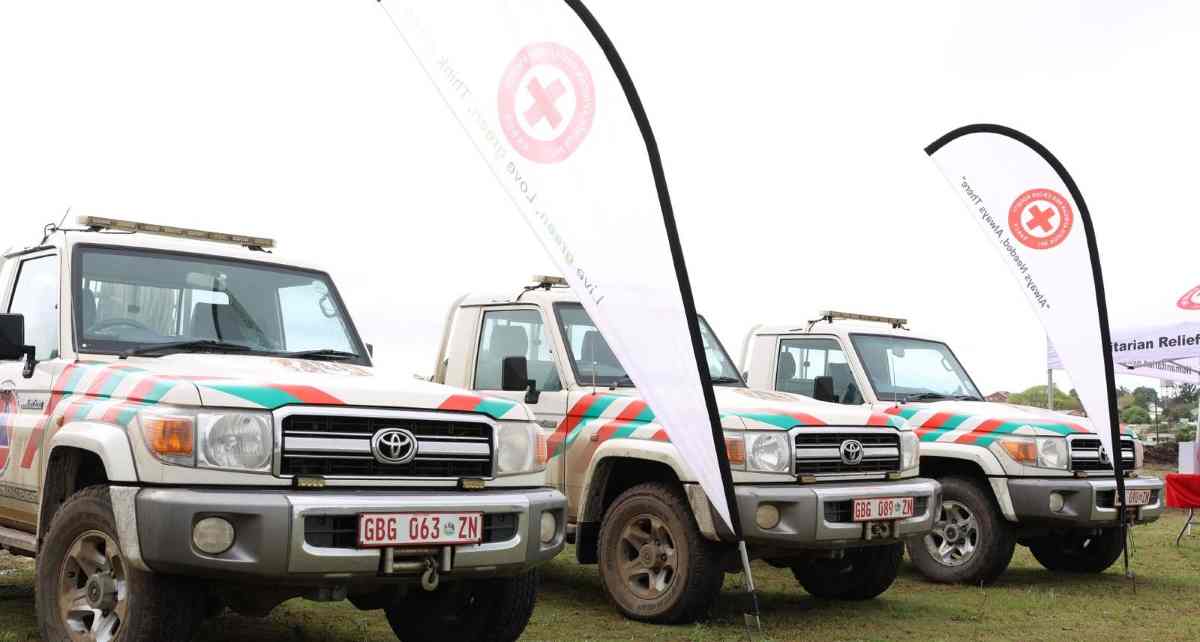
To strengthen readiness, the KwaZulu-Natal Provincial Government has equipped eleven municipalities — including Utrecht and Estcourt — with new firefighting vehicles and emergency response tools, aimed at ensuring quicker action when disasters strike.
The move was announced on Monday, 20 October 2025, during the launch of the KwaZulu-Natal Provincial Summer Disaster Risk Reduction Awareness Campaign.

According to the Department of Cooperative Governance and Traditional Affairs (KZN CoGTA), the campaign is part of a broader strategy to boost disaster preparedness and resilience. It follows years of hard lessons — more than 500 weather-related deaths since 2021 — that have underscored the province’s vulnerability to floods and fires.
The launch event, held at Mazakhele Sportsground in Umuziwabantu, was led by KZN CoGTA in partnership with the Provincial Disaster Management Centre (PDMC). The initiative forms part of the PDMC’s ongoing 2010 Policy Framework, which prioritises public education, early-warning systems, and interventions in flood-prone districts such as uThukela and Harry Gwala.
Furthermore, Premier Tami Ntuli stressed that the province must take a proactive approach to disaster management.
The newly issued equipment, he said, will allow rural and high-risk municipalities to respond faster and more effectively to emergencies. Ntuli also referenced the devastating veld fires of 2024 — which destroyed 14 000 hectares of grazing land and killed 1 600 livestock — and similar outbreaks in 2025, reminding attendees that these disasters are becoming more frequent and severe.
“All 54 municipalities must now allocate funds for disaster preparedness in their 2025/2026 budgets,” he added, citing the 2022 floods that damaged 27 069 households and destroyed 4 000 homes, as well as the 2024 uThukela floods that caused R2 billion in damages across uMvoti and Inkosi Langalibalele.
The eleven municipalities receiving new fire trucks from the Department of Forestry, Fisheries and the Environment (DFFE) are:
- uMfolozi Local Municipality
- uMvoti Local Municipality
- uMngeni Local Municipality
- Inkosi Langalibalele Local Municipality (Estcourt)
- uBuhlebezwe Local Municipality
- Dr Nkosazana Dlamini-Zuma Local Municipality
- Ray Nkonyeni Local Municipality
- eMadlangeni Local Municipality (Utrecht)
- Nkandla Local Municipality
- eDumbe Local Municipality
- Nongoma Local Municipality
These areas continue to face serious risks.
uMfolozi and Nongoma reported R65 million in agricultural losses in 2025, while uMvoti and Inkosi Langalibalele saw R2 billion in flood damage the year before.
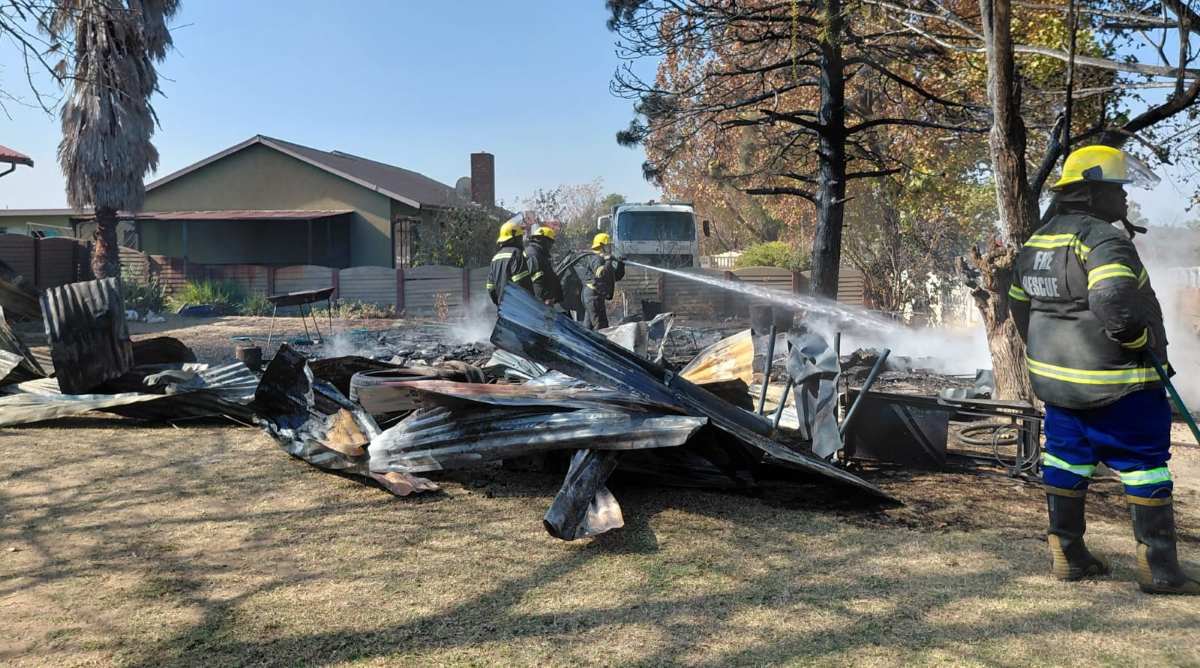
Ray Nkonyeni and uBuhlebezwe, based in flood-prone districts, were hit hard during the 2025 floods, while eMadlangeni and eDumbe are repeatedly affected by inland veld fires that have contributed to more than 500 fatalities since 2021.
Ntuli added that disaster preparedness is not only about saving lives — it’s also about protecting livelihoods. “Every rand invested in readiness today helps safeguard jobs, communities, and local economies tomorrow,” he said. Through PDMC-led workshops, university training, and the Early Warnings for All Roadmap launched earlier this month, the province is expanding its disaster-response skills base. Communities such as Nkandla and uMngeni are now part of a pilot programme using geofencing technology and wildfire-forecasting apps.
In partnership with the Development Bank of Southern Africa (DBSA), fifty young people from five municipalities will soon undergo professional firefighter training — a move that strengthens operational capacity while creating employment. This complements efforts to help farming communities like uMfolozi and Nongoma recover from recent fire-related agricultural losses.
Additionally, uMfolozi, Nongoma, uKhahlamba, and Umuziwabantu have each received disaster-management kits worth R1 million, bolstering their frontline readiness.
These municipalities are among 60 that benefitted from the R1.4 billion national relief package following the 2025 floods.
Furthermore, MEC Reverend Buthelezi of KZN CoGTA praised the province’s shift toward prevention, noting, “Every rand invested today in prevention and community education saves lives and millions in recovery costs tomorrow.” His department continues to run school-based awareness campaigns across high-risk zones, including uBuhlebezwe and Dr Nkosazana Dlamini-Zuma municipalities, using radio, television, and traditional leadership structures to reach residents.

Premier Ntuli closed by reminding communities that preparedness begins at home:
“Disaster management is a shared responsibility. Our ability to withstand crises depends on coordinated planning, targeted investment, and citizen involvement.”
With new equipment and trained personnel, hopefully, communities will be better protected.
What are your thoughts on the above? Do you beleive this will assist the aforementioned municipalities?
Be sure to read this viral Newcastillian News article from 2019, What’s more painful? Childbirth or getting kicked in the groin?