

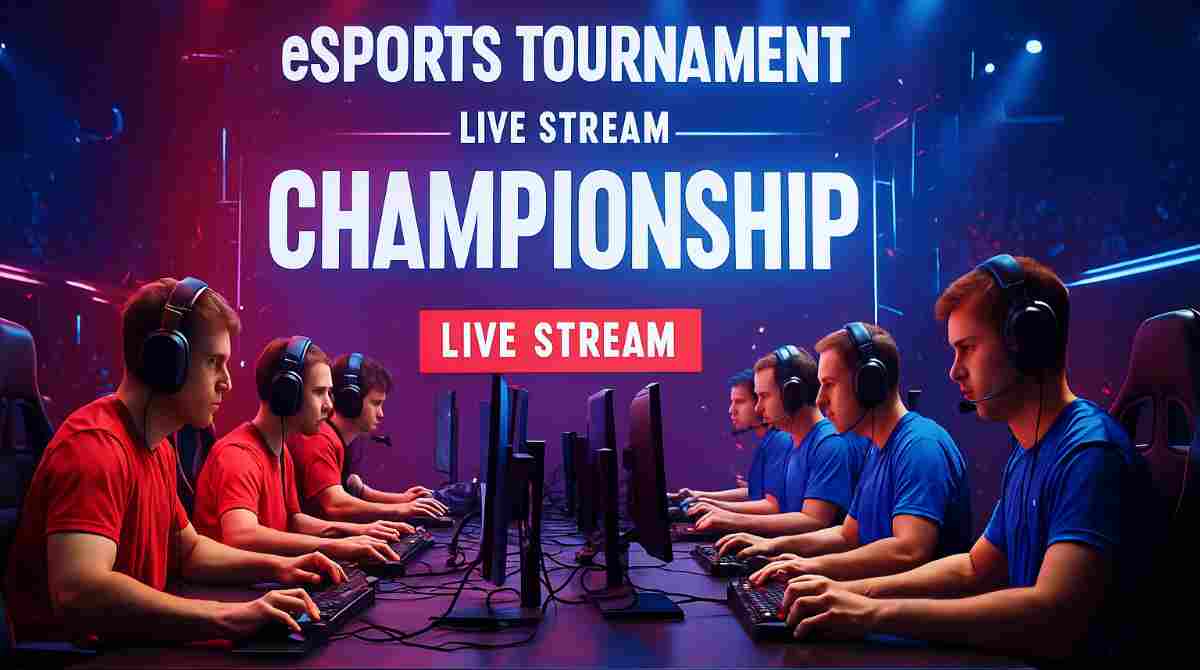
Esports has evolved from a niche hobby into a growing professional industry, blending technology, youth engagement, and digital innovation. With improved internet infrastructure, corporate sponsorships, and international participation, South Africa is positioning itself as a leading force in the African gaming landscape.
Over the past decade, South Africa’s esports ecosystem has gained steady momentum. This progress is largely driven by investments from tech firms, gaming organisations, and the education sector.
According to the International Esports Federation (IESF), South Africa is the most structured esports market in Africa, supported by Mind Sports South Africa (MSSA) — the official governing body recognised by SASCOC.
Moreover, several major events have helped boost visibility and participation:
- VS Gaming Championships – held annually at Gallagher Convention Centre
- Comic Con Africa’s Esports Arena – attracting large audiences and sponsors
- Popular game titles featured include Counter-Strike 2, FIFA, Call of Duty, and Dota 2
Together, these developments have strengthened the country’s position as a growing esports hub on the continent.
Esports in South Africa Notable Achievements
South Africa has produced several standout athletes and teams making their mark on the global stage. Among them are:
- Bravado Gaming, one of South Africa’s most prominent esports organisations, known for their success in Counter-Strike: Global Offensive (CS:GO) and Valorant. Their “Project Destiny” initiative, launched in 2018, helped South African players compete internationally in North America.
- Energy Esports, a multi-gaming organisation representing South Africa at numerous international tournaments, with a strong presence in titles like Call of Duty, FIFA, and Rocket League.
- Johnny “JT” Theodosiou, a professional CS:GO player who joined the international roster Complexity Gaming, marking one of South Africa’s biggest exports to the global esports scene.

- Rob Forbes and Sam Wright (Tech Girl), local esports commentators and hosts, who have played key roles in growing media visibility for esports in South Africa.
These figures have contributed to building credibility for South Africa as a hub of esports excellence on the African continent.
Industry Supporting Eports in South Africa
Moreover, corporate sponsorship has played a crucial role in driving the growth of esports across South Africa.
Companies such as Telkom, Vodacom, and ASUS Republic of Gamers (ROG) have invested heavily in the ecosystem by:
- Sponsoring national tournaments and local leagues
- Supporting major gaming expos and tech conventions
- Promoting high-performance hardware designed for competitive gaming
- Partnering with influencers and content creators to increase visibility
- Backing community-level initiatives to develop emerging talent
Furthermore, educational institutions are recognising esports as a legitimate career path.
- Universities like Wits University and Stellenbosch University now host active esports clubs.
- These clubs give students opportunities to compete, collaborate, and pursue tech-related careers in gaming, coding, or media.
Additionally, government involvement, though still developing, shows promising signs.
- The Mind Sports South Africa (MSSA) and SASCOC continue discussions to integrate esports into official sporting frameworks.
- Importantly, esports has already been recognised as a legitimate sport under SASCOC — a key milestone that lays the foundation for future policy and funding support.

Challenges and Opportunities
Despite progress, South Africa’s esports industry still faces a few hurdles. High data costs, uneven infrastructure in rural areas, and limited corporate funding continue to slow growth.
However, the landscape is gradually improving. The expansion of fibre internet and the rise of mobile gaming are making esports more accessible nationwide. Moreover, the country’s youth-driven digital culture is fuelling both participation and audience engagement.
Key opportunities for growth include:
- Expanding regional tournaments across provinces
- Supporting local content creators through sponsorships and streaming deals
- Partnering with global gaming brands to boost investment
- Developing esports tourism and hosting international events
- Encouraging gaming startups that promote innovation and job creation
Additionally, these developments signal a shift towards a more connected and competitive esports environment in South Africa. Meanwhile, ongoing collaboration between the public and private sectors could further accelerate this momentum.
Why This Matters
The rise of esports in South Africa signifies more than just competitive gaming; it reflects the country’s digital transformation and youth empowerment. Additionally, it demonstrates how entertainment and technology are increasingly merging.
As South Africa continues to establish itself as the esports capital of Africa, the industry’s growth offers economic, educational, and cultural benefits for the next generation. Furthermore, ongoing investment and participation could strengthen skills development, career pathways, and innovation within the digital economy.
Please feel free to comment and share the love for me as a junior writer, by sharing this article. Be sure to read: SA’s rising cricket stars are proving the country’s talent pipeline works
FAQs-About Competitive Gaming in South Africa
Recent estimates indicate over 26 million active gamers in the country, with a growing number participating in organised tournaments through schools, universities, and professional clubs.
Popular titles include Counter-Strike 2, FIFA, Valorant, Rocket League, and Dota 2, which form the core of both local and international tournaments.
Yes. Groups such as Bravado Gaming, Energy Esports, and Mind Sports South Africa (MSSA) provide structured training, tournament management, and international competition opportunities.
Major events are held in venues like Gallagher Convention Centre, supported by fibre internet, gaming hardware sponsors, and live streaming platforms to reach wider audiences.
Opportunities exist in professional play, event management, streaming, coaching, content creation, and tech support. Universities and schools increasingly offer clubs and leagues to develop skills relevant to these careers.