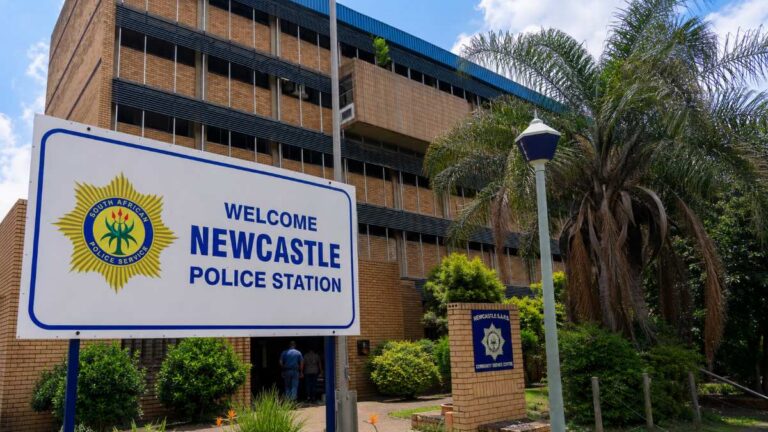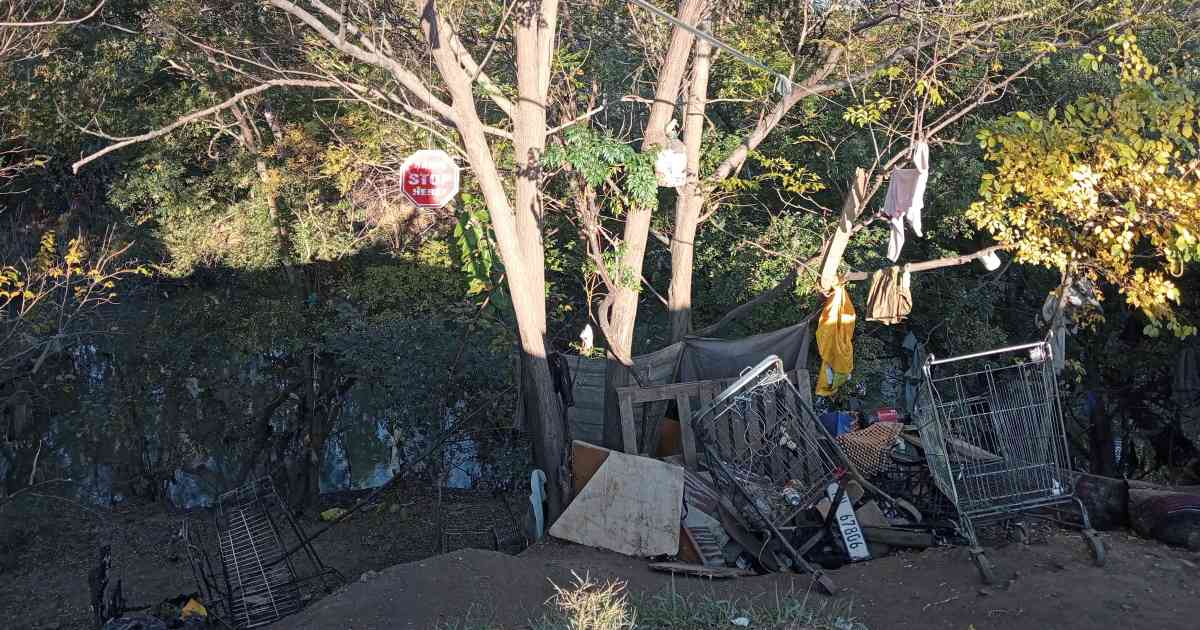
Across Newcastle, the presence of homeless individuals is undeniable—whether standing at traffic intersections, living beneath bridges, or occupying abandoned buildings.

Despite ongoing promises from local authorities to resolve the issue, the city continues to battle a growing homeless population often entangled in criminal activities and substance abuse.
Now, a faith-based organisation is being tasked with leading efforts to address this deepening social crisis—not only in Newcastle but throughout KwaZulu-Natal. This shift raises pressing questions: Can religious institutions effectively manage such complex challenges, or is a more structured, government-led approach essential?
On Monday, 1 September 2025, KwaZulu-Natal Premier Thamsanqa Ntuli formalised a Co-operation Agreement with the KwaZulu-Natal Christian Council (KZN CC), aiming to tackle issues like homelessness, poverty, crime, and moral decline.
The partnership seeks to bridge the gap between government initiatives and the faith sector’s grassroots reach. However, while intentions are noble, the execution of such multifaceted interventions typically requires professional personnel, regulatory oversight, and sustainable infrastructure—areas where religious groups may fall short.
According to the provincial government, the initiative is structured around four key focus areas:
- Food Security: Supporting community gardens on church and residential land, aided by government-provided fencing, seeds, tools, and training.
- Crime Prevention & Survivor Support: Offering legal and psychosocial support through trained counsellors and launching peacebuilding initiatives across all 11 KZN districts.
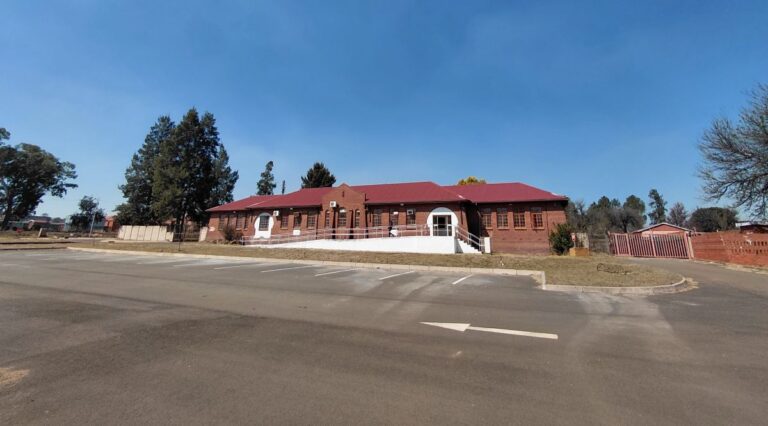
- Shelter & Rehabilitation: Transforming underutilised government and church buildings into shelters and rehabilitation centres.
- Moral Regeneration: Promoting community values and social renewal through faith-based mobilisation and departmental collaboration.
With over 3.4 million members in KZN, KZN CC has the reach to mobilise communities. Premier Ntuli called the agreement “a bold step towards restoring the moral compass of our society,” stating that the Church is being empowered to lead efforts in rebuilding dignity, peace, and community cohesion.
Furthermore, Newcastle Community Police Forum (CPF) spokesperson Sandile Ndluli welcomed the move, noting that religious groups could help prevent crime by addressing root causes like poverty and social alienation.
“By offering support to those at risk, such initiatives may reduce crime rates and promote inclusivity,” he added.
However, critics caution that relying solely on faith-based groups to handle homelessness, crime, and rehabilitation is unrealistic. Ward 4 Councillor Bertie Meiring, who chairs Newcastle’s Development Planning and Human Settlements portfolio committee, emphasised the need for legal compliance and human rights protection.
“Homelessness in Newcastle involves more than poverty—it includes criminal behaviour, squatting in vacant homes, and repeated public disturbances. While bylaws allow for removals, the homeless return. With this agreement, law enforcement will now be able to relocate these individuals to structured shelters, finally restoring order,” Cllr Meiring explained.
He further stressed that rehabilitation must be carefully managed. “Strict oversight is essential. Without professional social workers, coordinated law enforcement, and government direction, the programme risks failure,” he warned.
Despite his caution, Meiring expressed optimism that this initiative could be the breakthrough Newcastle needs. Newcastillian News has previously reported that cleanup operations under bridges like Allen Street have cost the city up to R150,000 per effort, with little long-term impact as individuals return soon after, worsening sanitation and public health issues.
Further complicating the matter, a July 2024 bylaw now permits stronger enforcement against begging and illegal occupation of public spaces, including fines.
Yet, enforcement remains inconsistent. As of late November 2024, reports confirmed that intersections such as Allen Street and Victoria Road remain hotspots, exposing the limitations of enforcement without viable relocation and support.
The issue is compounded by reports of petty crime, drug use, and vandalism, particularly since June 2022, with neighbourhoods reporting heightened instability linked to the homeless population. These ongoing issues reflect the urgency for regulated, well-resourced support mechanisms to underpin the faith-based model.
Zooming out, the crisis extends beyond Newcastle.
According to the KwaZulu-Natal Department of Social Development’s 2025 annual report, homelessness across the province has surged by 25% since 2023, affecting over 150,000 individuals—a number exacerbated by economic instability and the 2024 floods. Overwhelmed shelters and a lack of sanitation have heightened health risks, with urban hubs like Durban and Pietermaritzburg hardest hit.
Furthermore, the 2025 Human Rights Watch country report further condemns illegal evictions and inadequate shelter as violations of constitutional rights, urging immediate state intervention. Complementing this, the South African Human Rights Commission (SAHRC) warned in its 2025 publication that over 200,000 KZN residents are now living informally, with poor sanitation contributing to disease outbreaks like cholera in early 2025.
From a financial standpoint, the KZN Treasury’s 2025 budget analysis estimates the provincial cost of managing homelessness at over R500 million annually, covering emergency services, temporary housing, and waste management. If left unchecked, this figure could rise to R700 million by 2026, siphoning funds from vital sectors like education and healthcare.
Crime statistics add another layer of concern. The SAPS KZN 2025 crime report revealed that homeless individuals were linked to 15% of urban petty crimes, driven largely by substance dependency and lack of support, not inherent criminality.
The Institute for Security Studies (ISS) reinforced this in its August 2025 policy brief, noting a 20% increase in street-level crimes such as robbery and drug-related offences in areas with high homelessness rates.
While the KZN CC agreement brings potential for grassroots engagement and moral leadership, experts agree: faith-based groups cannot replace formal systems.
Homelessness, crime, and poverty require coordinated intervention led by government bodies, not informal, decentralised structures. Religious organisations should play a supportive—not primary—role in a broader, professional framework involving healthcare, housing, law enforcement, and rehabilitation services.
Without this balance, well-meaning efforts risk becoming stopgap solutions that mask deeper, systemic failures. As Newcastle continues to grapple with its growing homeless population, the path forward must be rooted in expertise, funding, infrastructure, and accountability—not merely hope and charity.

What’s your take on this issue? Share your thoughts in the comments below.
Be sure to read, Durban Playhouse Events 2025: What’s On at Durban’s Premier Theatre, if you missed it.