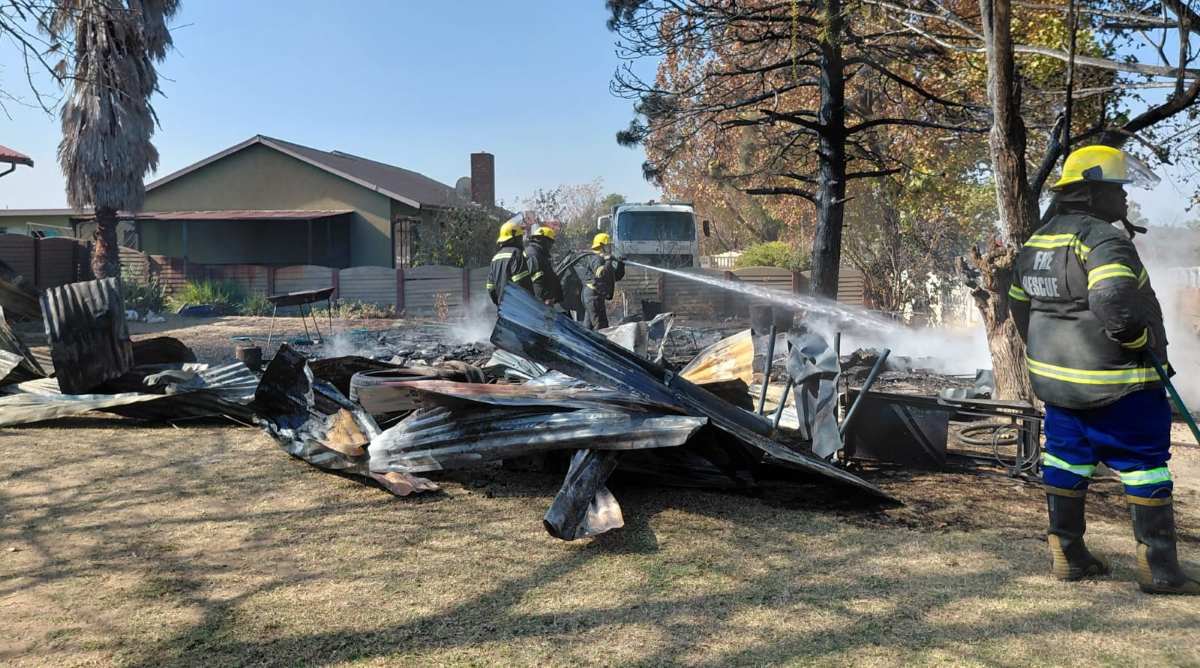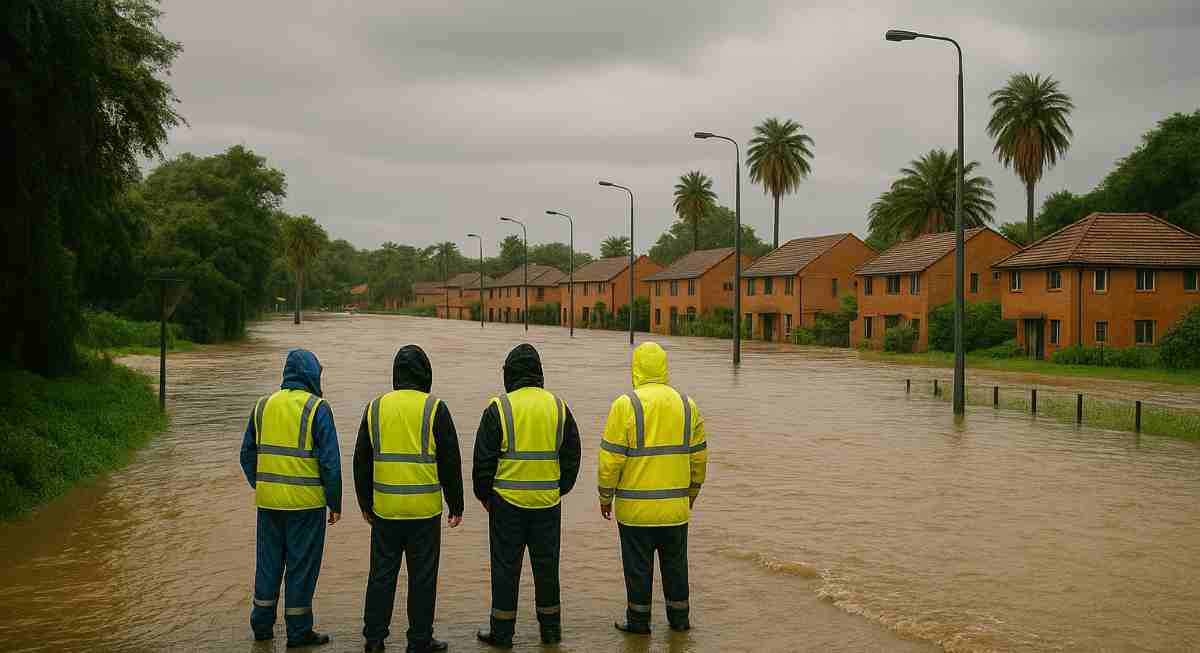
Newcastle, Utrecht, and Dannhauser have long endured the severe consequences of natural disasters, including flooding from heavy rains and damage from strong winds. For years, these towns have witnessed officials struggling to respond effectively as crises unfold or after damage has occurred.

However, despite these persistent challenges, steps are finally being taken to address disaster management shortcomings in the region.
In response to these issues, the KwaZulu-Natal Department of Cooperative Governance and Traditional Affairs, in collaboration with the Amajuba District Municipality, has initiated measures to strengthen disaster management. According to the Municipality, these steps are intended to address the longstanding issues faced by these towns.
Specifically, the Amajuba District Municipality’s Communications Unit stated, “Given Amajuba’s history of disaster proneness, the department’s comprehensive review of the Provincial Disaster Management Plan is a timely and necessary initiative. Through the Disaster Management Centre, a thorough disaster risk assessment was conducted to identify potential hazards and vulnerabilities across the province, with a focus on creating a detailed Provincial Risk Profile.” The Municipality reports that this review seeks to establish a framework for mitigating future risks.
Furthermore, the Municipality noted that the assessment, encompassing both natural and human-induced disasters as well as vulnerabilities at all levels, involved community members from all three local municipalities.
“This ensured that the perspectives and concerns of local residents, who are often the most affected by disasters, were taken into account. The inclusion of community members in the assessment process will help tailor the disaster management plan to the specific needs of the region,” stated communications.
Beyond community involvement, according to the Municipality, the review process incorporated expertise from various stakeholders, including government agencies, non-governmental organisations, and other relevant entities. “By engaging with a broad range of stakeholders, the department aims to develop a comprehensive Provincial Disaster Management Plan that will enhance the province’s preparedness and response capabilities, ultimately reducing the risk of disasters and their impact on communities in Amajuba and beyond.”
However, even as the District Municipality begins to take steps alongside CoGTA to enhance its response capabilities, significant deficiencies remain. As reported in May 2025, an oversight visit by the KwaZulu-Natal Legislature’s Portfolio Committee on Cooperative Governance and Traditional Affairs exposed critical gaps in the Amajuba District Municipality’s disaster readiness.
The report revealed that the district lacks its own fire engine, and most local municipalities, including Newcastle, Utrecht, and Dannhauser, have no dedicated firefighting personnel.
This forces reliance on external services, such as the Newcastle Firefighting Station, which is understaffed and overstretched, severely compromising emergency incident management.
Adding to these concerns, as reported in October 2024, persistent issues highlight the region’s inadequate preparedness for natural disasters. The article noted that infrastructure delays, limited funding, and a shortage of trained personnel continue to undermine effective disaster response. For instance, the absence of updated early warning systems and poor maintenance of infrastructure, such as drainage systems, exacerbate vulnerabilities during floods and storms, leaving communities exposed to heightened risks.
Compounding these issues, the Amajuba District’s R57 million Disaster Management Centre, opened on 21 May 2024, has failed to deliver on its intended role as a central hub for coordinating disaster response. Despite being equipped with communication systems, the centre remains understaffed and lacks critical resources, including a fire engine, rendering it incapable of addressing the district’s urgent needs.
The facility, operational after a decade of delays, highlights ongoing resource shortages and operational limitations. These deficiencies underscore the Municipality’s struggle to address longstanding issues, necessitating immediate action to resolve staffing deficits, infrastructure gaps, and equipment shortages to achieve effective disaster preparedness.

While significant efforts are demonstrably underway to enhance disaster management planning and stakeholder collaboration, the Amajuba District still faces considerable hurdles in achieving robust preparedness. Addressing these persistent resource and personnel shortfalls remains paramount to fully realise the potential of these initiatives and build genuine resilience against future disasters.
What are your thoughts on the above? Share your views in the comment section below.
Be sure to read How to Report a Water Leak or Sewer Issue in Newcastle, KZN – A Step-by-Step Guide, if you missed it