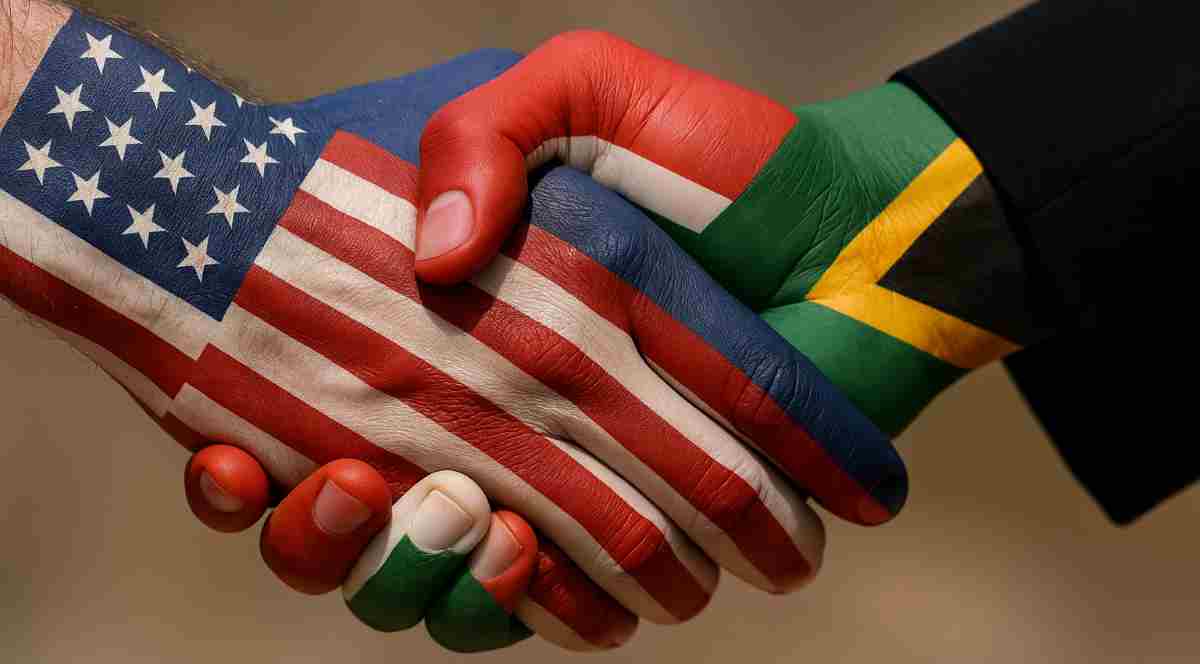
As South Africa braces for the introduction of a 30% tariff on exports to the United States on 1 August 2025, the economic impact on smaller towns could be devastating. The tariff, announced by US President Donald Trump, has sparked urgent diplomatic efforts, as government officials scramble to secure a deal that would ease the burden on key industries, many of which are the lifeblood of rural and small-town economies.

President Cyril Ramaphosa confirmed that South Africa is actively negotiating with the US in hopes of reducing or eliminating the tariff.
“South Africa and the US have started discussions to reduce the looming 30% tariff on South African exports,” Ramaphosa said, underscoring the government’s commitment to protecting trade relations. However, the clock is ticking, and the stakes couldn’t be higher.
For small towns across South Africa, the tariff poses a direct threat to jobs and livelihoods. Key industries such as citrus farming, macadamia exports, and automotive components are heavily reliant on the US market. Sonja Boshoff, Chairperson of the Select Committee on Economic Development and Trade, has warned that the tariff could tear apart small-town economies. “These industries are not abstract economic indicators; they are lifelines for tens of thousands of workers, particularly in rural and small-town South Africa,” Boshoff stated.
In the Amajuba District, which encompasses towns like Newcastle, Utrecht, and Dannhauser, the potential fallout is especially concerning.
Furthermore, Boshoff pointed to the citrus sector, which alone supports over 35,000 jobs and generates more than R38 billion annually. A tariff of this magnitude could cripple such industries, leaving workers without jobs and entire agricultural regions destabilised.
However, the impact goes far beyond the numbers. Small-town South Africa is already struggling with economic challenges, including high unemployment and poor growth. The tariff risks exacerbating these issues to new levels, deepening the unemployment problem, and further hindering the ability of local businesses to survive, let alone grow.
According to reports, the National Treasury is already modelling the potential effects of the tariff on tax revenues and economic growth. Yet, for towns like Newcastle, the risk is personal. For many, their livelihoods are tied to industries that rely on international trade. If these industries falter, the impact will be felt across the community, with workers in small towns bearing the brunt.
While President Ramaphosa works to secure a deal with the US, local leaders, such as Amajuba District’s Mayor, Cllr Thembelihle Mthembu, are taking steps to maintain diplomatic ties.
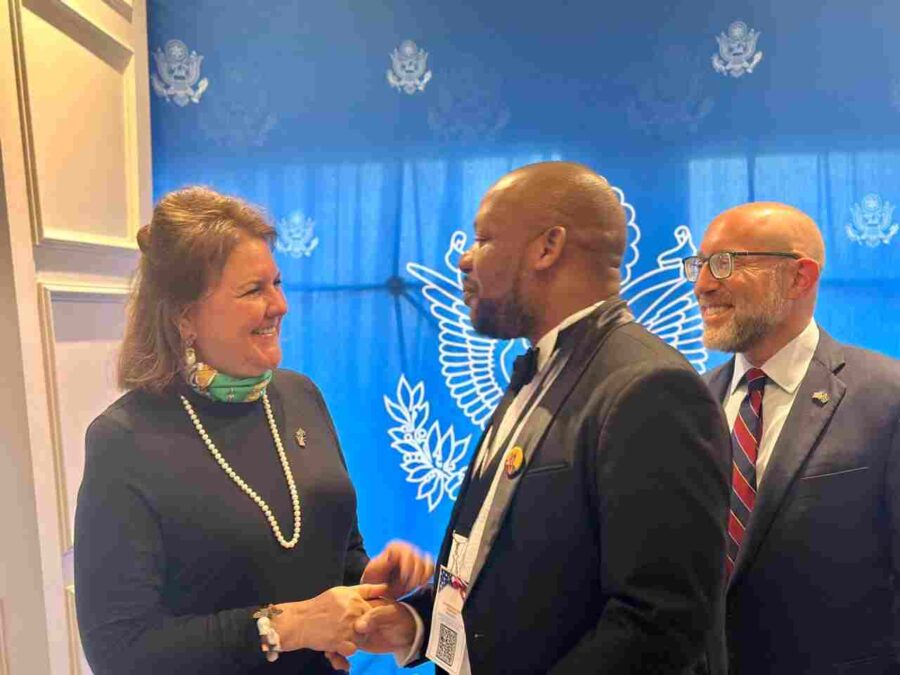
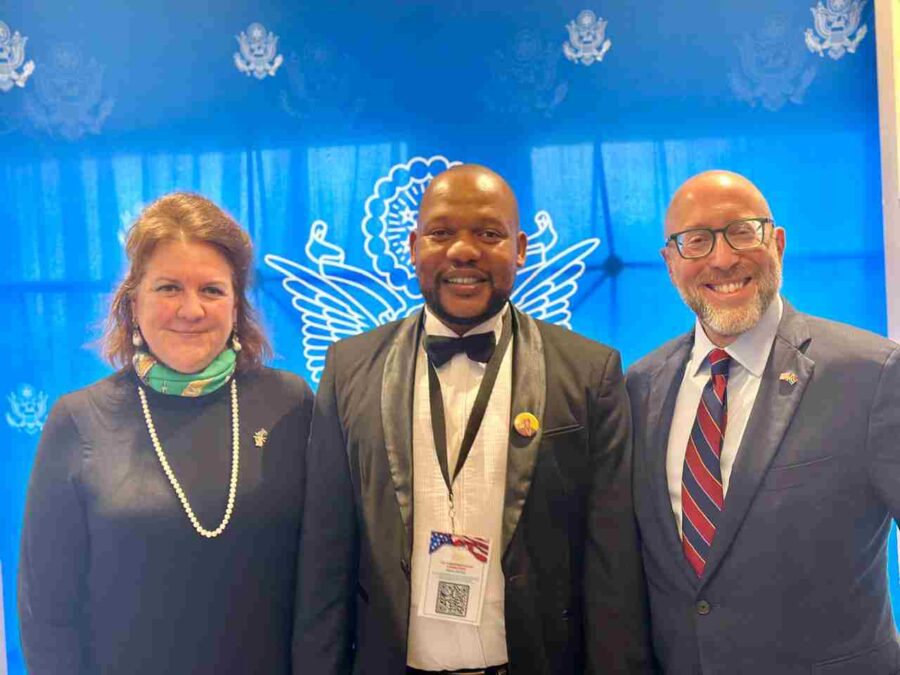
Mthembu recently attended the US Embassy’s Independence Day celebration, emphasising the importance of international cooperation for local growth. “Strengthening ties with global partners is crucial for our local development,” Mthembu stated, underscoring the need for international collaboration to address local socio-economic challenges.
But as the deadline looms, the reality is clear: without a resolution, small-town South Africa will be left to pick up the pieces of an economy already on the edge. The tariff threatens to push vulnerable communities over the line, with the potential to disrupt the fabric of local life.
This is more than just a diplomatic issue—it’s a matter of survival for South Africa’s smaller towns. If the tariff is implemented, it could spell disaster for industries that provide essential jobs and economic stability to rural areas.
The urgency of this situation cannot be overstated. The discussions between South Africa and the US will determine the fate of thousands of workers and their communities.
The next few weeks will be a nail-biter. Let’s hope that our government uses logic and that diplomacy prevails, and South Africa can reach an agreement that protects the livelihoods of its people—especially those in smaller towns who face the biggest risks.

If this does not materialise, what do you think will be the impact and result on smaller towns across South Africa?
Share your thoughts in the comments below.