


Burst pipes and overflowing sewage are, regrettably, an all too common occurrence across South Africa. However, the opportune moment to address this pervasive issue through legal channels has finally presented itself in Vryheid.

This development follows the recent action by the AfriForum branch in Vryheid, which, on Friday, 30 May 2025, formally lodged criminal charges against both the Municipal Manager of AbaQulusi Local Municipality and the municipality’s technical manager.
This comes in response to the persistent and unchecked flow of sewage into the Besterspruit over several years.
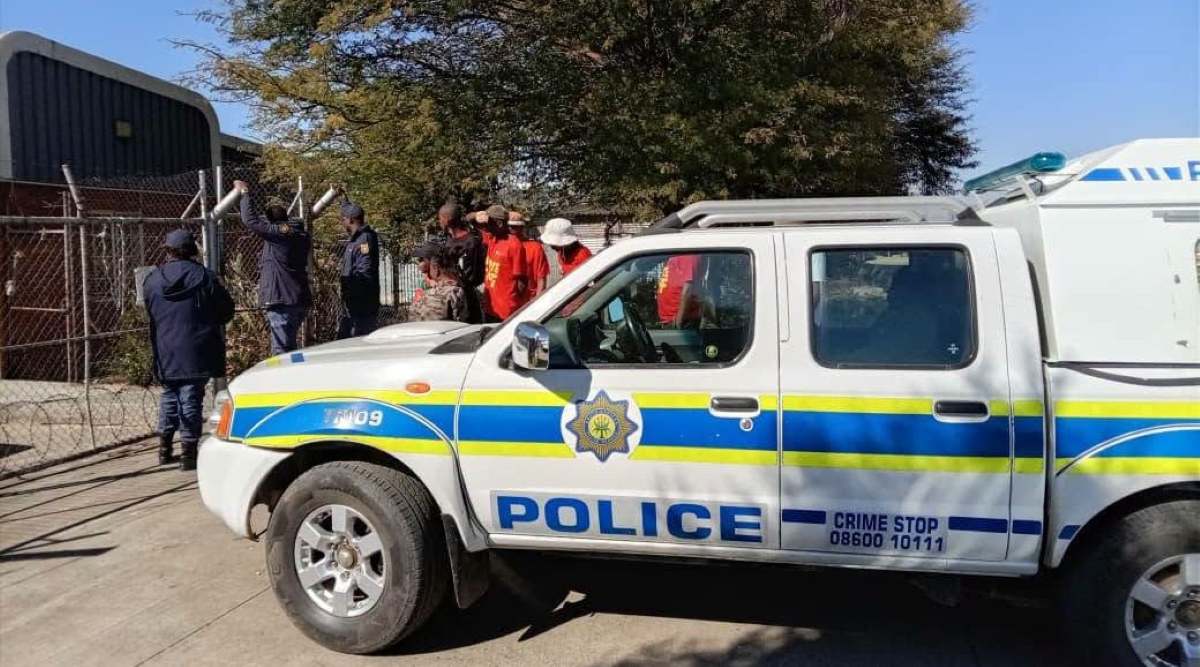
According to AfriForum, the municipality has consistently failed to respond to their numerous requests to rectify this grave environmental concern. The civil rights organisation further stated that these charges were filed at the local police station in Vryheid.
Moreover, AfriForum has highlighted that sewage is also flowing unimpeded in one of the streets within the town’s settlements, creating a hazardous environment where young children are observed playing. This situation presents serious and undeniable health risks to the community at large.
As AfriForum prepares to take legal action against the AbaQulusi Local Municipality, the severity of sewage pollution, particularly in KwaZulu-Natal, is consistently highlighted by official assessments.
The Department of Water and Sanitation’s (DWS) 2022 Green Drop Report, a critical national assessment of wastewater treatment works, unequivocally indicated that a substantial portion of the country’s wastewater infrastructure is operating at “high or critical risk.” This translates to a significant likelihood of inadequately treated or raw sewage being discharged directly into rivers and other water bodies.
Moreover, specific governmental assessments and departmental statements have frequently pointed to the compromised state of numerous wastewater treatment facilities within KwaZulu-Natal, detailing instances where effluent quality fails to meet required standards.
For instance, official DWS reports on water quality in the Ugu District Municipality, which includes popular South Coast towns, have repeatedly shown that many wastewater treatment plants are not effectively treating sewage before discharge, leading to concerning levels of pollution.
These official findings underscore widespread non-compliance and the resulting environmental degradation, including critical levels of Escherichia coli (E. coli) contamination in various water sources, which frequently leads to public health advisories and restrictions on water recreational activities, as observed in areas like eThekwini (eThekwini Municipality’s beach water quality results page).
Furthermore, the pervasive nature of these challenges within the province mirrors the specific issues confronted by the community in Vryheid.
“We have sent several letters to the municipality and placed newspaper articles about the sewage spill, but our pleas fall on deaf ears. Bester spray flows a few meters further into the Klipfontein Dam, which is our main water source,” asserts André van der Walt, Chairperson of AfriForum’s Vryheid branch.
Addressing the escalating concerns regarding the sewage spillages, Eugene van Aswegem, AfriForum’s Provincial Coordinator, stated that, “We cannot stand by and watch as South Africa’s water resources are polluted. We see daily how municipal infrastructure is neglected and AfriForum believes the solution lies in self-governance.”
For citizens facing similar issues of municipal environmental negligence, taking legal action can be a complex but necessary step.
While this guide provides a general overview, it is crucial to seek professional legal advice tailored to your specific circumstances.
1. Gather Evidence and Document Everything:
- Photographs and Videos: Document the spillages, burst pipes, affected areas, and any visible damage. Include timestamps and location data if possible.
- Dates and Times: Keep a meticulous record of when the problem started, when it was reported, and when any municipal responses (or lack thereof) occurred.
- Communication Records: Retain copies of all correspondence with the municipality (emails, letters, complaint reference numbers, names of officials spoken to).
- Witness Statements: Obtain statements from neighbours or other affected individuals who can corroborate your claims.
- Expert Reports (Optional but Recommended): Consider obtaining independent water quality test results if possible, as these provide irrefutable scientific evidence of pollution.
2. Exhaust Internal Remedies First:
- Before resorting to legal action, you must demonstrate that you have attempted to resolve the issue directly with the municipality.
- Formal Complaints: Lodge official complaints with the municipality through their designated channels (e.g., call centre, customer service department, municipal manager’s office). Ensure you get a reference number for every complaint.
- Written Notices: Send formal written letters or emails to the Municipal Manager and the relevant departmental heads (e.g., Director of Technical Services, Director of Infrastructure), outlining the problem, its impact, and demanding action within a reasonable timeframe. Refer to relevant legislation (e.g., National Environmental Management Act, Water Services Act) in your letters.
- Public Participation: Attend local municipal council meetings or community forums to raise the issue publicly and on record.
3. Explore Legal Avenues:
- Criminal Charges: As demonstrated by AfriForum, criminal charges can be laid against municipal officials (e.g., the Municipal Manager or Technical Manager) for violations of environmental legislation, such as the National Environmental Management Act (NEMA) (Act 107 of 1998) or the Water Services Act (Act 108 of 1997), particularly if their negligence leads to significant environmental harm or poses health risks. This would typically involve reporting the matter to the South African Police Service (SAPS) for investigation.
- Civil Action (Interdict or Damages Claim):
- Interdict: You can apply to the High Court for an interdict compelling the municipality to cease the harmful conduct (e.g., stop the sewage flow) or to perform a specific action (e.g., repair the infrastructure). This is often sought when there is ongoing harm that needs immediate cessation.
- Damages Claim: If you have suffered quantifiable financial losses or damages due to the municipality’s negligence (e.g., property damage, health costs), you can institute a civil claim for compensation.
- Administrative Action (Public Protector or Human Rights Commission):
- You can lodge a complaint with the [suspicious link removed] if you believe there has been maladministration or improper conduct by the municipality.
- If the issue infringes upon human rights (e.g., the right to a healthy environment, the right to dignity), you can approach the South African Human Rights Commission (SAHRC).
- Environmental Management Inspectors (EMIs) / Green Scorpions: Report the matter to the Department of Environmental Affairs’ EMIs, known as the Green Scorpions, who have powers to investigate environmental crimes and enforce compliance.
4. Seek Legal Counsel:
- Given the complexities of environmental law and municipal accountability, it is highly advisable to consult with an attorney specialising in administrative law, environmental law, or public law. They can assess your case, advise on the most appropriate legal strategy, and guide you through the process. Legal aid organisations may also be able to assist if you meet their criteria.
The persistence of such severe sewage pollution not only jeopardises public health through potential waterborne diseases but also inflicts considerable damage on the environment and local economies, particularly those reliant on tourism and aquatic resources. The documented failings of municipal infrastructure and wastewater management across KwaZulu-Natal, as evidenced by national water quality reports, necessitate a fundamental shift in approach.
While legal recourse, as demonstrated by AfriForum’s actions, offers a vital avenue for accountability, a broader, collaborative effort is essential. This must encompass improved infrastructure investment, stricter enforcement of environmental regulations, and enhanced operational oversight to ensure the sustainable management of South Africa’s precious water resources for current and future generations.
What are your thoughts on the above? Share your views in the comment section below.