

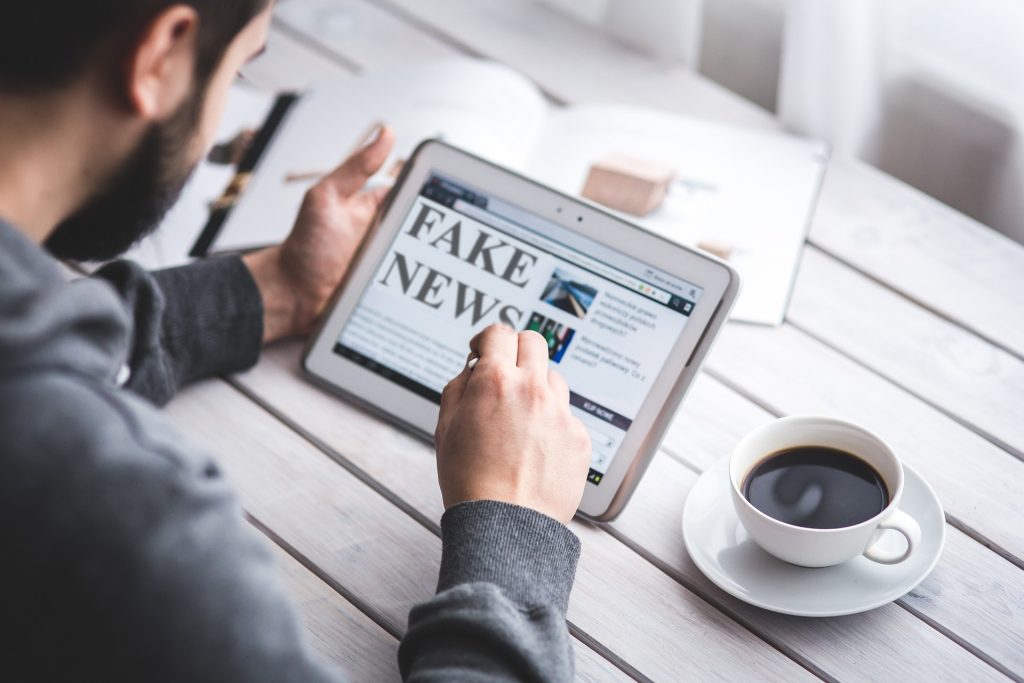

Misinformation and fake news spread rapidly on social media platforms, often causing significant unrest in communities and nations worldwide.
Take the recent surge in disinformation in Newcastle and across South Africa about COVID-19. From seemingly credible articles to viral voice notes, these false reports have instilled widespread fear and confusion.
In response, the Zimbabwean government, represented by Nick Mangwana, the Permanent Secretary for Information, Publicity, and Broadcasting Services, is actively pursuing legislative measures to curb the spread of misinformation. The government is particularly focused on implementing the Cyber Crimes, Cyber Security and Data Protection Bill, which includes provisions aimed at combating such abuses of digital platforms.
Mangwana emphasizes that while it may seem harsh to penalise individuals for sharing misinformation through social media, the government’s priority is to shield the public from hate speech and divisive content, ensuring that social media is used responsibly.
The repercussions of spreading false information are profound. For example, South Africans have been rattled by numerous unfounded stories, including a fictitious tweet from a fake account mimicking President Trump, which falsely claimed discussions with President Cyril Ramaphosa about conscripting South Africans for potential conflicts involving the US.
Another persistent rumour involved the discontinuation of the green barcoded South African Identity Book, which resurfaced repeatedly despite official denials.
With the global spread of COVID-19, a flurry of hoax articles and misinformation has also emerged, falsely reporting cases in places like North West, Newcastle, and Dundee—claims that were promptly debunked by authorities.
As this issue persists, it is clear that the challenge of fake news extends far beyond any single region, affecting nations worldwide and necessitating a firm and informed response to preserve the integrity of public discourse.
Read more: Fear-mongering leads to Covid-19 fears in Newcastle, Mediclinic clears the air
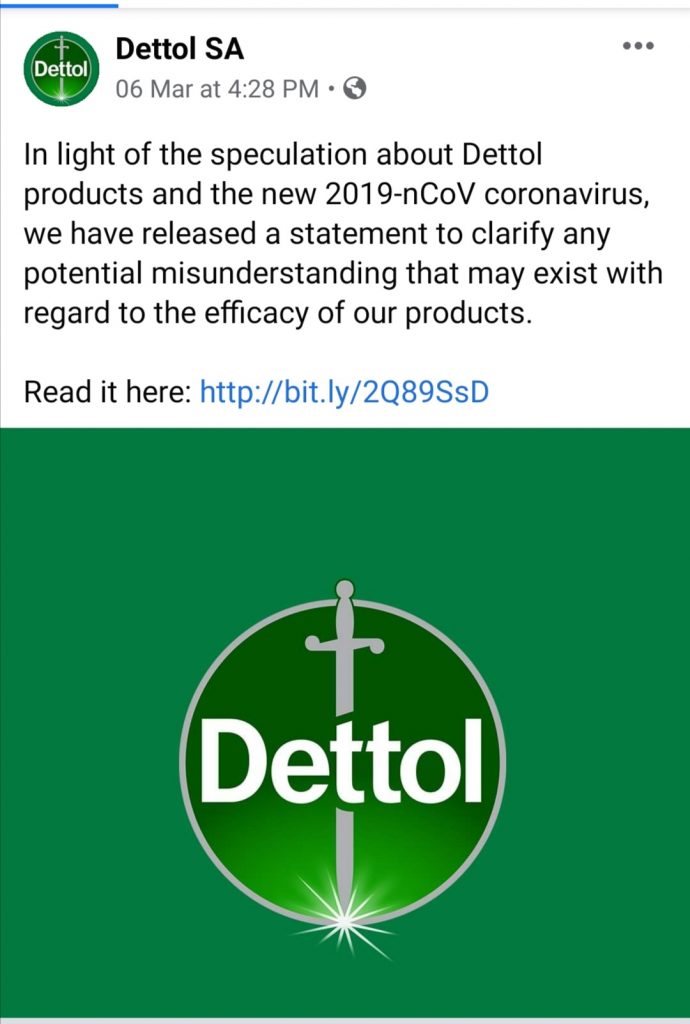
Another fake claim around Covid-19 claimed Dettol could cure the novel coronavirus. This claim went viral and resulted in Dettol SA taking to social media to clear the matter up.
The prevalence of hoax articles about celebrity deaths is a striking example of how quickly misinformation can spread online. Consider the shock of opening a social media account only to see a claim that your own child has passed away.
The proliferation of fake news has become so widespread that entire websites are now dedicated to crafting and disseminating fictitious stories, which often go viral on social media platforms. Some notable fake news sites include:
- Breaking-CNN.com – Crafted to mimic the appearance and feel of CNN.
- CBSnews.com.co – A site that apes the URL, design, and logo of CBS News.
- NBCNews.com.co – Similarly, this site emulates the URL, design, and logo of NBC News.
- InfoWars
- NationalReport.net
- Discerning Fake News from Fact
- Read Beyond the Headline
Don’t just skim the headline and share the article. Open it and read it thoroughly from start to finish. This can often reveal whether the content is credible or a hoax.
Verify the Source:
- Use Google to research the source’s credibility. Compare the content to that of established, reputable publications.
Cross-Check the News - Real news gets coverage from multiple sources. If the story is genuine, other reputable media outlets will also report on it.
Evaluate the Images - With today’s technology, photos can easily be manipulated. Again, a quick Google reverse image search can confirm the originality of the photos.
Trust Accredited Media - Opt for established media outlets like the Newcastillian, which adhere to stringent legal standards and journalistic ethics, ensuring factual accuracy in their reporting.
Given the extent to which fake news can propagate, debate arises around the Zimbabwean government’s consideration of punitive measures against those who spread misinformation. Is this move justified, or should governments refrain from regulating speech on social media?
We invite you to share your opinions and thoughts in the comment section below. How do you navigate the overwhelming wave of information online, and what are your views on governmental intervention in controlling fake news?