


As the human population continues to rapidly grow, the need to save the world’s environment is now a major global concern. We as a species have reached a level of wasteful consumption like never before and the planet is paying for it.
So Just how much has the human population grown?
The US Census Bureau of world population estimates as of June 2019, the current global population is standing at 7, 577, 130, 400 people on earth. A frightening number, especially when considering how much it exceeds the world population of 7.2 billion in 2015.
With the increase in the human population, necessary steps need to be taken to reduce waste in order to save various ecosystems. Ecosystems which are responsible for the survival of an array of species, including ours.
One method of reducing wastage is recycling. However, as numerous people do their bit in recycling their waste, are their efforts to save the environment proving to be futile?
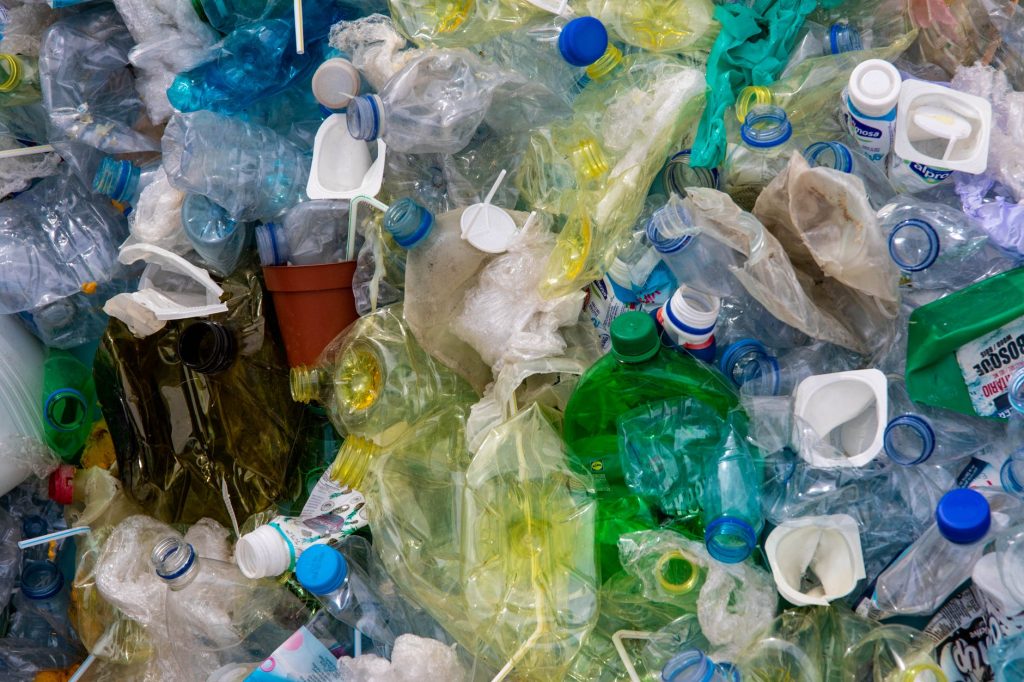
While certain waste is recyclable, the fact of the matter is that some waste is simply not. The harsh reality is, a large amount of waste goes to landfills.
Landfills are responsible for emissions from organic waste, which cause a wide range of pollution. From air to water and of course land. This coupled with mismanaged waste like single-use plastic and cans which are consuming the oceans, results in uncontrollable pollution which is literally killing animals and people.
The incineration of waste might sound like a good idea, but this is responsible for both air pollution and greenhouse gas emissions.
So, the question remains, are the efforts being put into recycling actually working?
When looking at the global waste trade, it seems that recycling might not be working as well as it should be.
The global waste trade is the international trade of waste between countries for further treatment, disposal or recycling. Toxic or hazardous waste is often exported from developed countries to developing countries, also known as countries of the Global South.
This sees the burden of toxic waste from Western countries falling predominantly onto developing countries in Africa, Asia, and Latin America.
With many wealthy countries of the Global North sending their recyclable waste overseas, because it is cost-effective, while helping meet recycling targets and reducing domestic landfills, it sees the developing countries of the Global South incur a source of income.
However, contaminated plastic and rubbish which cannot be recycled often gets mixed up with the containers sent to the Global South. This, in turn, lands up in illegal processing centres.
This means that only a tiny fraction of all the plastics and recyclable waste are actually being recycled. Other materials are then burned illegally, dumped into landfills or waterways. This creates risks to both the environment and public health.
On June 2, BBC reported the European Union as the largest exporter of plastic waste, as well as the US who is leading as the top exporter for a single country.
Furthermore, the BBC reported that worries about such waste are forcing developing countries to act and see the developed countries take responsibility for their own waste. One such country is the Philippines. In June, they shipped back tonnes of rubbish to Canada. It was allegedly said the rubbish was falsely reported as plastic recycling in 2013 and 2014.
Furthermore, Malaysia sent back five containers of plastic waste to Spain in June. This is after it was found to be contaminated.
In fact, Malaysia will allegedly soon be returning up to 3 000 tonnes of rubbish back to the UK, US, Japan, China, the Netherlands, Germany. Australia, Singapore, Norway, France, Saudi Arabia and Canada.
This follows where more than 180 nations agreed in Geneva to add mixed plastic scrap to the Basel Convention, the treaty which controls the international movement of hazardous waste.
Through the amendment in the treaty, exporters must first receive permission from the governments of the receiving nations before shipping the contaminated, mixed or unrecyclable plastic waste off.
Through this, the first step can be taken in the world gaining control of the plastic pollution which is already seeing 100 million tonnes of plastic waste leak into the world’s oceans, according to United Nations figures.
Plastic waste shipments became an issue in 2018 after China, the world’s biggest importer of plastic scrap stopped buying non-industrial plastic scrap. This upended the $200 billion recycling industry.
According to a study, through China’s new policy, more than 120 million tonnes of mixed or contaminated plastic will be displaced by 2030.
As a result of the sudden change of policy, other Southeast Asian nations, which includes Thailand, Malaysia, Vietnam and Indonesia were suddenly flooded with shipments of waste they could not handle.
With the world’s governments searching for ways to get rid of their waste and plastic, it seems recycling is becoming more of a business venture than saving our environment. A venture which sees developing countries sacrifice their ecosystems for a profit, while wealthy countries are able to save their respective environments.
The confusing element behind this all is that the average person on the street is turning a blind eye to this major problem. And until we take this seriously, our planet’s future looks bleak.