Zimbabwe finds itself gripped by significant unrest, triggered by widespread protests over surging fuel prices. The severity of the situation has escalated to the point where a government-appointed human rights group in Zimbabwe has accused military personnel of engaging in systematic torture to suppress the demonstrations.
In response to allegations of excessive force, a government spokesperson justified the actions of the military to the BBC, stating that a degree of firmness is necessary to regain control during tumultuous times.
On the morning of Tuesday, January 15, eyewitnesses reported seeing soldiers assaulting a group of minibus drivers. BBC correspondent Andrew Harding relayed an account from a man in Harare who reported that he and about 30 others endured over two hours of beatings by soldiers.
The ongoing protests have reportedly resulted in the deaths of 12 individuals, with many more injured.
As the international community watches anxiously for a resolution, the Zimbabwean government took the drastic step of severing Internet and social media access, effectively isolating its citizens from communicating with the outside world.
This action was challenged by Zimbabwe’s High Court, which ruled that the government’s internet blackout was unlawful.
The court highlighted that the Minister of State for Security, who had ordered the shutdown, did not possess the authority to do so—such powers rest solely with President Emmerson Mnangagwa. While partial internet service has been restored, access to social media remains prohibited.
Amidst the escalating crisis, President Mnangagwa cut short an investment-seeking trip to Russia to address the domestic upheaval.
As the neighbouring nation contends with this upheaval, the Newcastillian has reached out to local residents for their insights on the evolving situation.
Here’s what they had to say:
Sizwe Zulu:
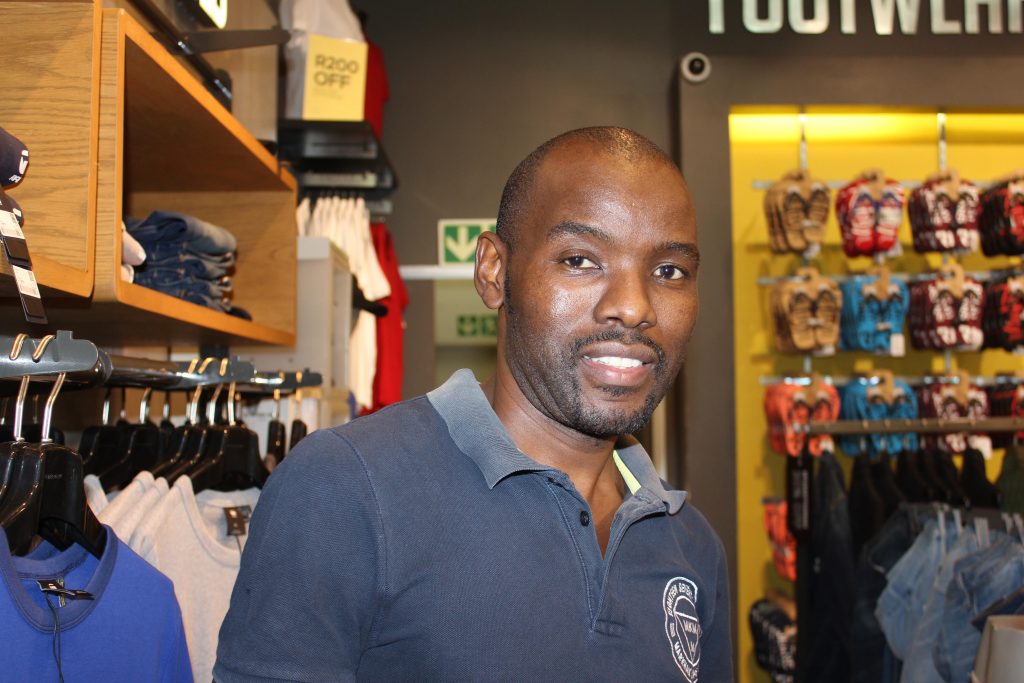
“We as South Africans need to be worried about what is going on. Things in Zimbabwe have reached a level, where Zimbabweans are actually thinking Mugabe isn’t as bad as the current president.”
Kiara Devsaran:
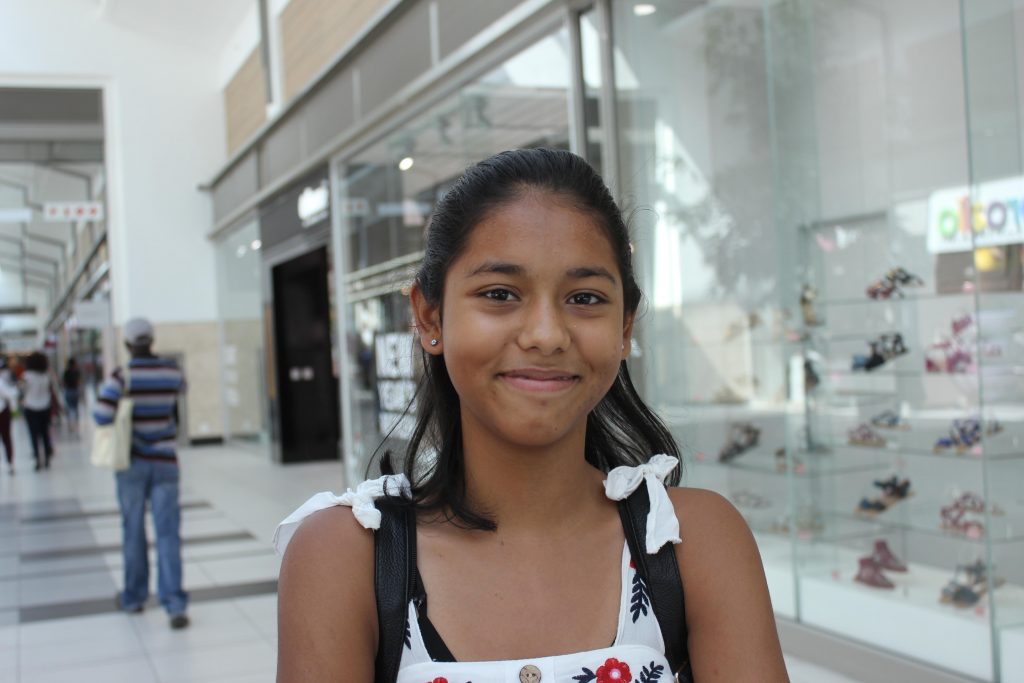
“The situation is very sad. We can only pray for the country and pray that everyone’s eyes are open.”
Kimera Annathan:
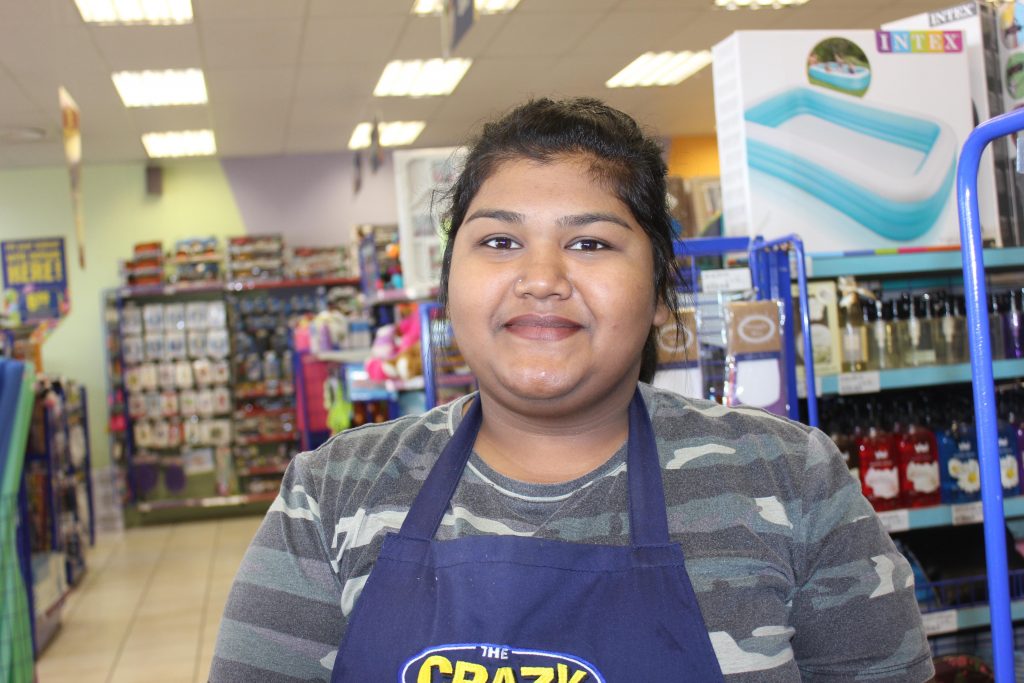
“I think the situation is very sad. People are already finding their daily lives hard and now this happens.”
Akshay Sevesanker:
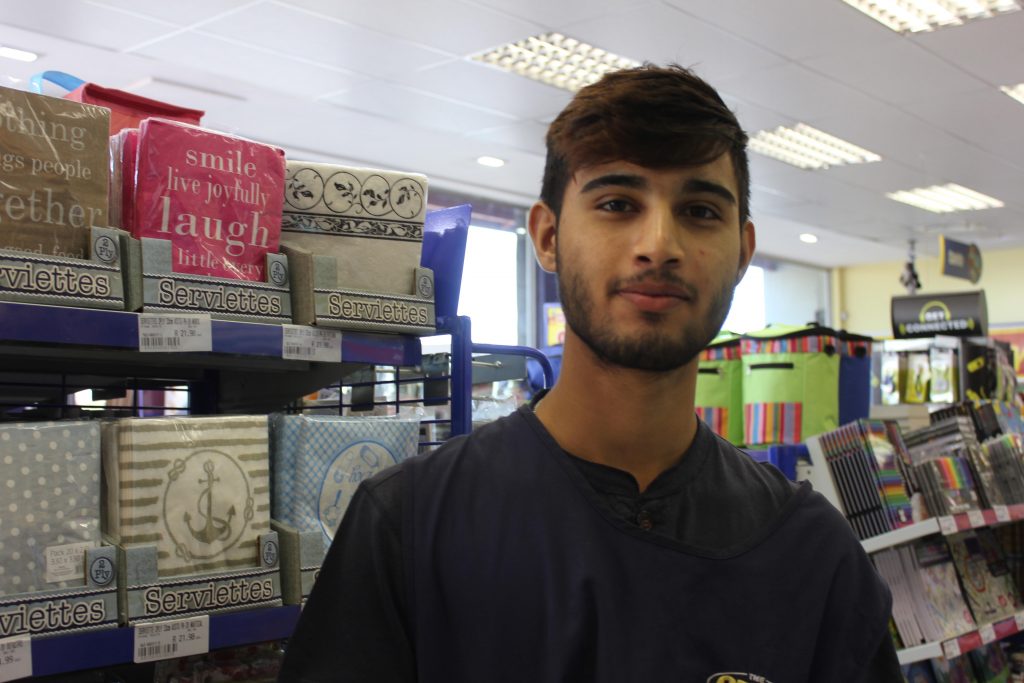
“I think it is rather unbelievable. I feel bad for the Zimbabweans. We actually live comfortable lives compared to them.”
Tshwarelo Tsotetsi:
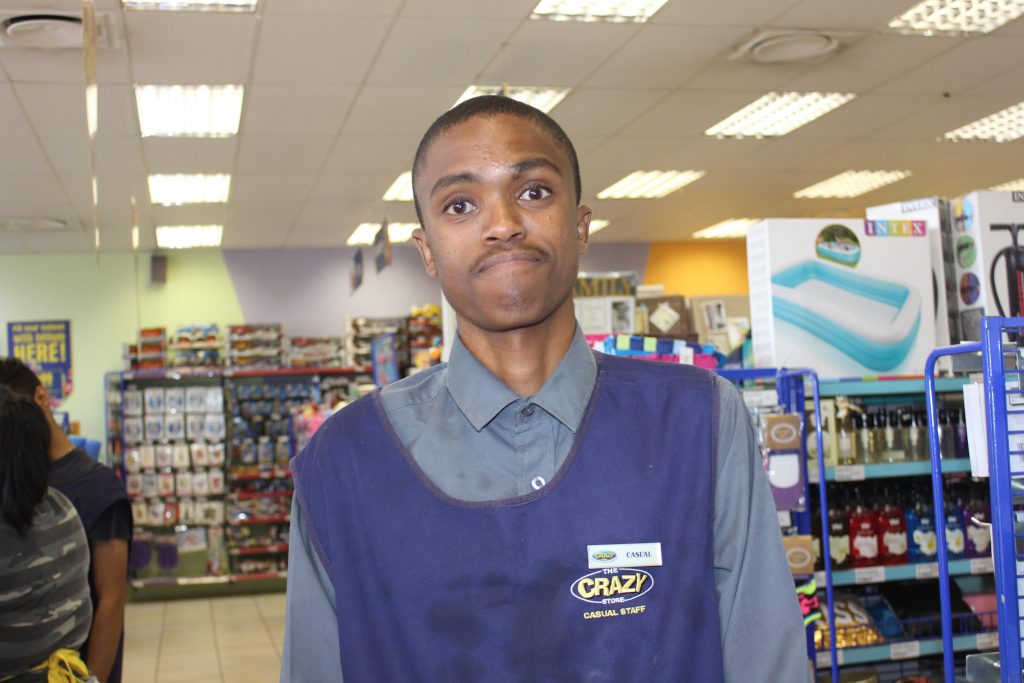
“The situation needs to be resolved. The Zimbabwean government needs to sit down with the people, hear what is needed to fix the country and then focus on that. Areas the government can focus on is job creation and actually start planting.”
What are your thoughts on the current situation in Zimbabwe? Share your opinions with us in the comment section below.