

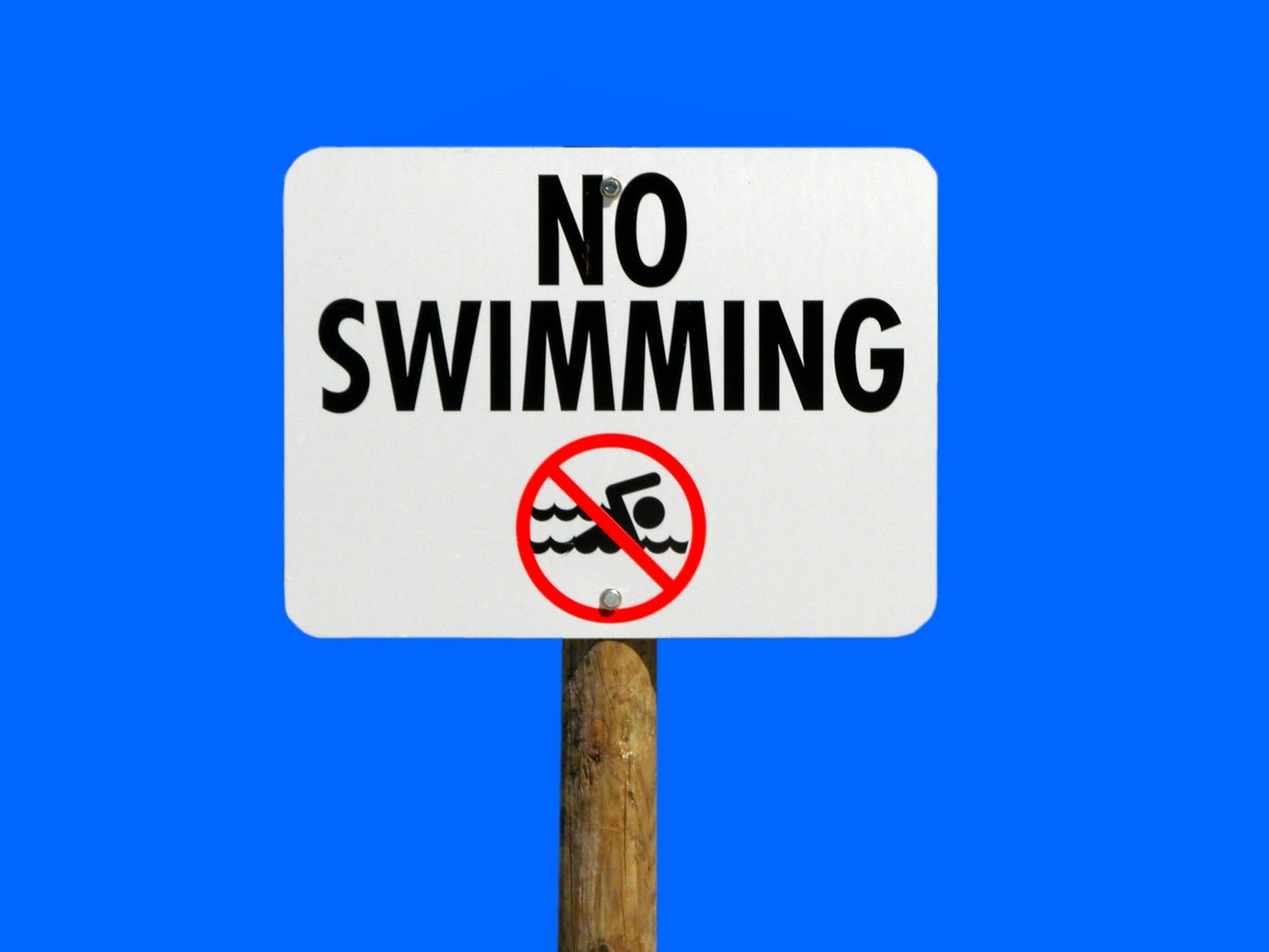
Taking a swim at several beaches between Umdloti and Umhlanga is currently off limits. This follows a whale carcass washing up just north of the Umhlanga lagoon last night.
Dr Jennifer Olbers, Marine Ecologist Ezemvelo KZN Wildlife, claims it is currently being decided what to do with the massive marine mammal’s carcass. Curious onlookers gather around to catch a glimpse of the adult humpback whale.
Mike Anderson-Reade of the KwaZulu-Natal Sharks Board claims the carcass was towed approximately 15 nautical miles out to sea, after it was spotted off Umdloti yesterday, October 28. A strong northeasterly wind allegedly pushed the body back towards the beach overnight.
The whale carcass is more than 15 metres long and there is apparently significant tiger shark activity around the carcass, making the waters unsafe.
As authorities plan to discard of the massive carcass, this marks the second beached whale within the past three months. A juvenile humpback whale beached at Pipeline Beach in Amanzimtoti back in August.
But what causes whales to beach, at times dying in the process?
According to the South African Association for Marine Biological Research, there are several reasons. While a number of these reasons are natural, human activities are also a contributing factor.
Natural reasons include disease, parasitic infection or old age. Extreme oceanographic and weather conditions also play a role, as do abandoned calves or malnourished juveniles. Injuries sustained from sharks, orcas and other predators are also contributing factors.
Human activities which result in the deaths and beached whales include pollution or sea mammals sustain injuries from fishing gear or boats.
With authorities currently on the scene, the beaches will be opened when deemed safe again. People are encouraged to practice caution at present time when going to the beach.