

The ever-rising petrol price is a sore point for many motorists. But, is there a glimmer of hope that the government will be implementing a cap on petrol prices?
Energy Minister Jeff Radebe recently explained the government was fully aware of the effect the price increases have had on South Africans. Because of the government’s concerns, a task team is currently examining how to reduce the effects of further increases.
Radebe explains the rising cost of petrol is mainly caused by the rand-dollar exchange rate and the price of crude oil.
Who makes up the task team?
The team includes officials from the Department of Energy and the National Treasury. While looking at how to reduce the effects of further increases, the team is also considering the logistics involved in implementing a price ceiling. As well as the legal steps required to make this process possible.
The government will apparently have enough information to make its decision during the course of this week.
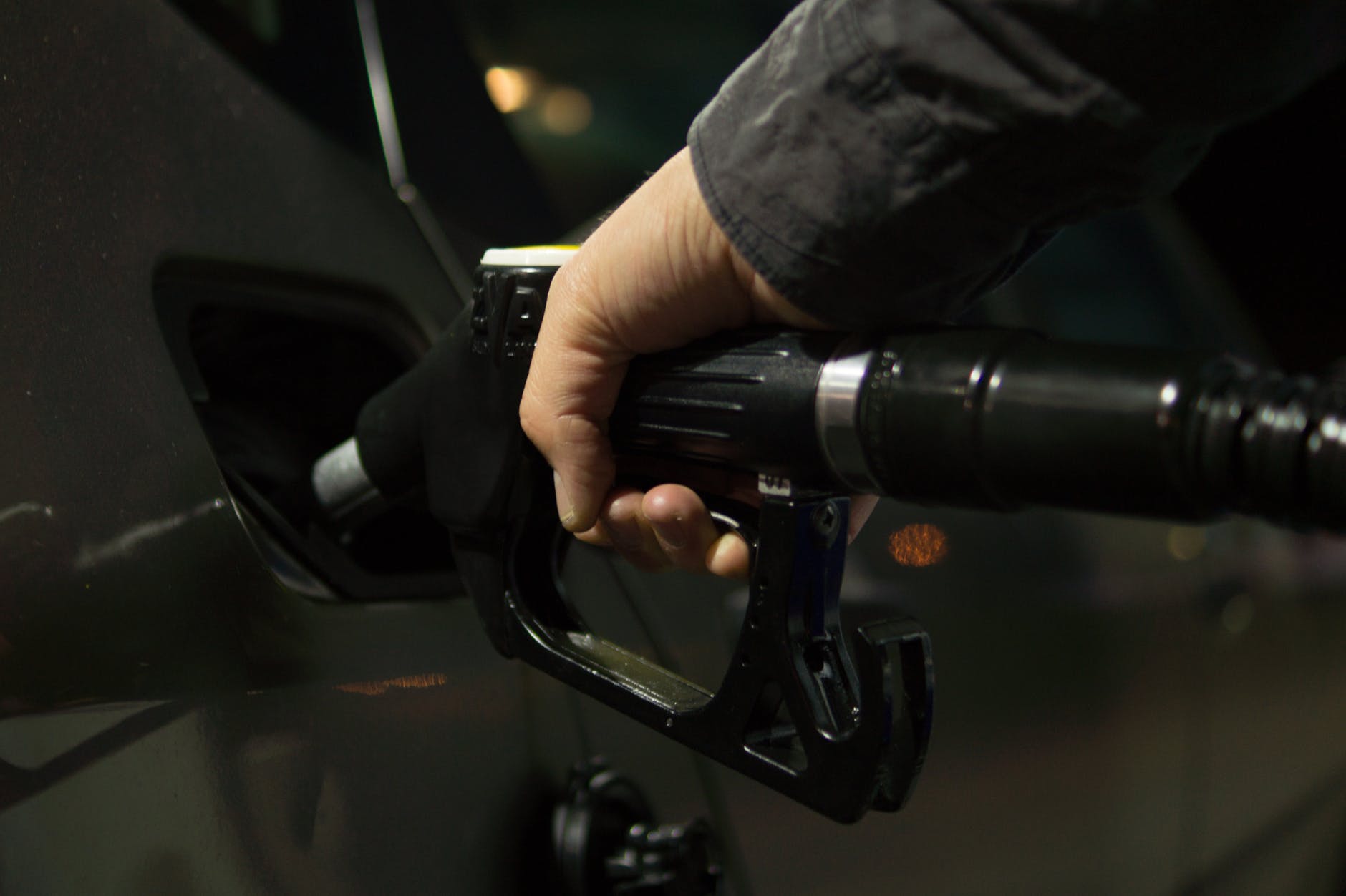
While a cap will assure road users that the petrol price will remain stable, will there be negative consequences?
Chief Economist at Econometrix Dr Azar Jammine explains a petrol cap is not necessarily a feasible plan. Dr Jammine says the only way the petrol cap will work is through funding the subsidy, through other forms of tax.
This includes increasing taxes such as VAT and personal income taxes. One way or another, Dr Jammine says road users will be paying for impending increases.
Dennis Dyke, the Chief Economist at Nedbank, agrees and says capping the prices will be unsustainable. This is because of the volatile oil prices and the economy.
This seems like a ploy to increase VAT again, but only time will tell.
What are your thoughts on the possible implementation of a petrol price cap? Do you believe it will be beneficial for motorists? Or do you think it will affect South Africans in the long run through other avenues?